Article onlinefamilyhomerecipes.com/recipe/old-recipe-measurements-dekagrams-cups-and-pinches/Scan the code to open the article on your phone
Old recipe measurements: dekagrams, cups, and pinches
Learn what dekagrams, cups, spoonfuls, pinches, and oven descriptions mean in old Slovak recipes and how to convert them to metric units.
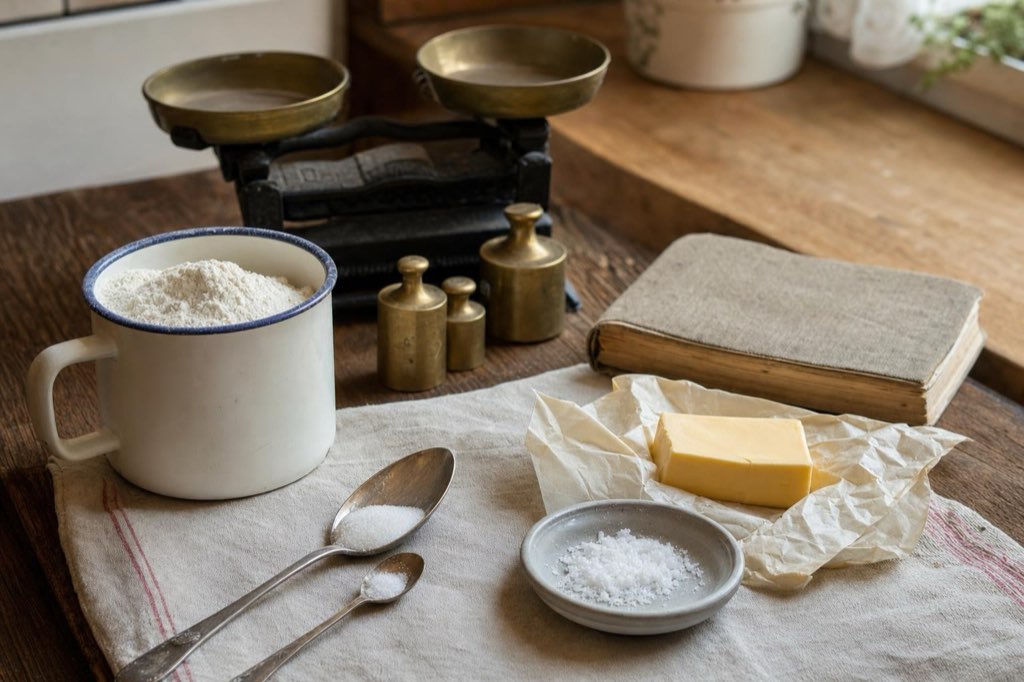
In shortGrandmothers’ recipes measure ingredients in dekagrams, “a cupful,” or “a knife tip” and call for a “moderate oven” instead of giving a temperature.
We explain what these measurements mean and how to convert them to grams, milliliters, and degrees so that a cake from a family recipe notebook can turn out well in a modern kitchen, too.
Deko and kilo: dekagrams
The most common measurement in older Slovak recipes is the dekagram, informally called deko and abbreviated dkg. One dekagram equals 10 grams, so 25 dkg of flour is 250 g, and 1 kg equals 100 dkg. Dekagrams are still used when weighing food in stores, for example when ordering “15 deka of ham,” meaning 150 g.
- 5 dkg = 50 g
- 12 dkg = 120 g
- 25 dkg = 250 g, or a quarter of a kilogram
- 50 dkg = 500 g, or half a kilogram
Mugs, cups, and glasses
In old recipes, hrnček means an ordinary mug used for tea or milk. Today, we treat it as 250 ml, as we do šálka, or cup. If a recipe measures all the ingredients by the cup, use the same cup throughout to keep the proportions correct. Read more in Cakes measured by the cup: how to measure ingredients and convert to grams.
“Pohár” can mean a water or wine glass, but also a store-bought jam jar or a tub of yogurt or sour cream. Use whichever makes sense in the recipe; for liquids, it usually means about 200–250 ml.
Tablespoons, teaspoons, and pinches
- A tablespoon is a soup spoon, about 15 ml (abbreviated PL in Slovak). A tablespoon of all-purpose flour weighs about 10 g; granulated sugar, 13 g; and butter, 14 g.
- A teaspoon holds about 5 ml (ČL in Slovak). A teaspoon of salt weighs about 6 g; baking powder, 4.6 g.
- A pinch is the amount you pick up between your thumb and index finger—about 0.4 g for salt.
- A knife tip means an even smaller amount, usually of a strongly flavored spice such as nutmeg or ground cloves.
- A walnut-sized piece of butter weighs about 10–15 g, roughly one tablespoon.
Packets and blocks
Old recipes often list just “1 baking powder” or “1 vanilla sugar,” meaning one packet. A standard packet of baking powder contains 12 g, vanilla sugar 20 g, and pudding powder about 40 g. A cube of fresh yeast weighs 42 g, and a block of butter weighs 250 g. Package sizes can vary by manufacturer, however; butter, for example, is also sold in 125 g packages.
Oven temperatures: low, moderate, and hot
Old stoves did not have thermometers, so recipes described the heat in words. As a rough guide:
- A low oven—about 150–170 °C (300–340 °F), for example for ladyfingers and delicate baked goods
- A moderate oven—about 170–190 °C (340–375 °F), for most cakes and bábovka, a Slovak Bundt-style cake
- A hot oven—about 200–220 °C (400–425 °F), for puff pastry and baked goods that need to brown quickly
Meringue cookies are dried rather than baked, at around 100 °C (210 °F). “Bake until rosy” means until the surface is light golden. Every oven bakes a little differently, so always check for doneness with a skewer or judge by the color.
Pounds and lots in the oldest recipes
Recipes from the 19th century sometimes use libry (historical pounds) and lóty (lots, smaller historical weight units). Their weights varied by country and period; the Kingdom of Hungary did not introduce a standardized metric system until the ’70s of the 19th century. These recipes therefore cannot be reliably converted using a single conversion factor. When trying them, use the proportions of the ingredients and the consistency of the dough or batter as your guide.
How to convert an old recipe
- Multiply dekagrams by ten to get grams.
- Convert cups, tablespoons, and packets according to the ingredient using the kitchen measurement converter.
- Replace the descriptive oven temperature with degrees using the guide above, and check for doneness a little earlier the first time.
- If the recipe does not specify a pan size, start with a 20 × 30 cm pan, the size most often used in our recipes. For a different pan, use the baking pan conversion calculator and the article How to adapt a recipe to your baking pan.
This article was translated from the Slovak original: Miery v starých receptoch: deko, hrnček, lyžica a štipka
Follow us
Recipe ideas every day on Facebook & Pinterest.