
30 g protein · 341 kcal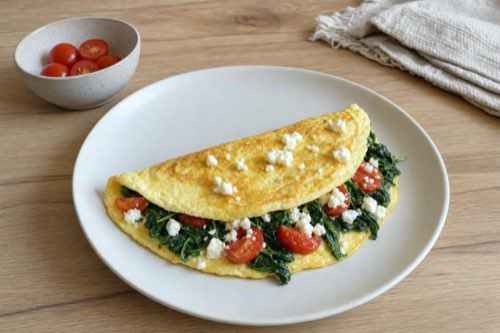
Breakfast
198 high-protein recipes for everyone who plays sports, works out or keeps an eye on protein. In every serving at least a fifth of the energy comes from protein; lunches and dinners have at least 25 g of protein and at most 650 kcal per serving, nothing deep-fried. Calories, protein, carbohydrates and fat are calculated from the ingredients for every recipe. If you mainly watch calories, see the light recipes.
at least 20 g protein and at most 500 kcal per serving
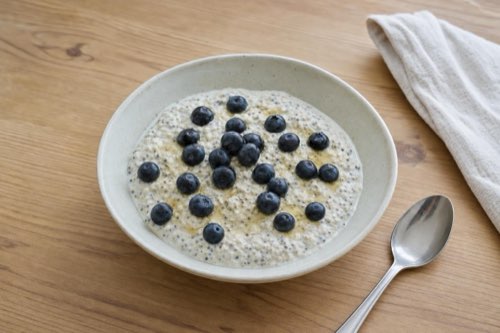
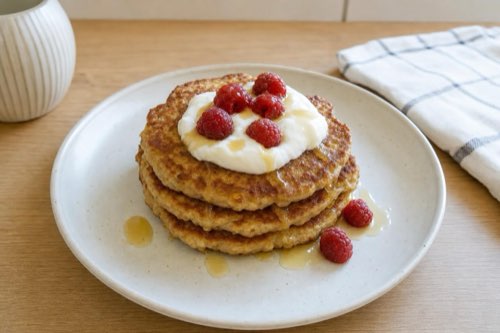
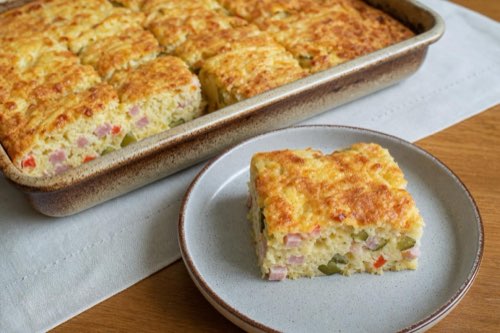
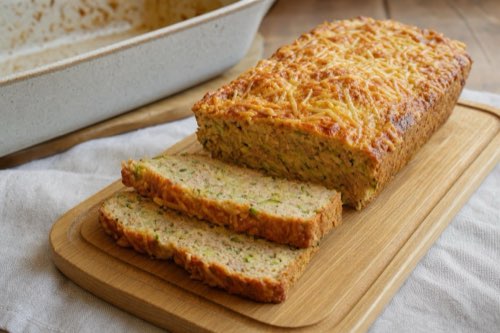
at least 25 g protein and at most 650 kcal per serving
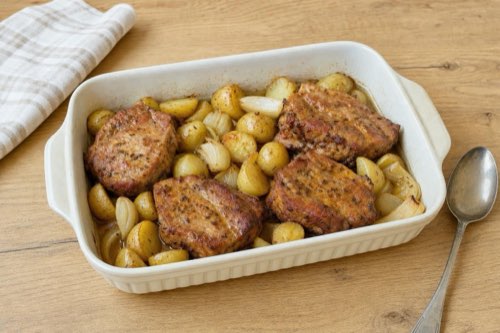
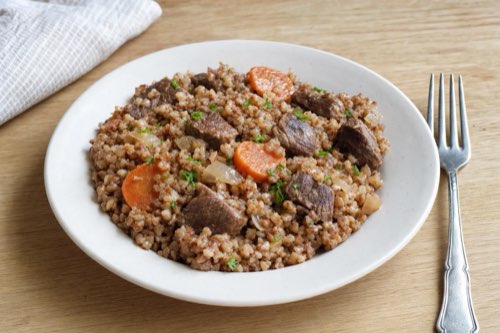
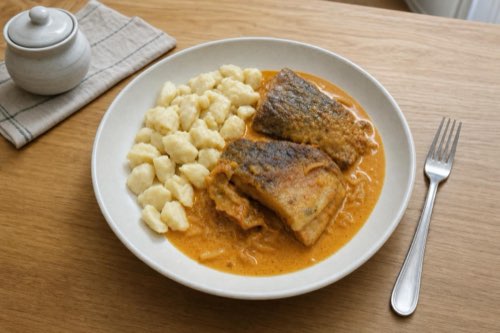
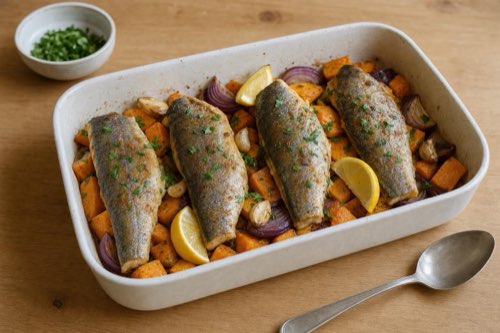
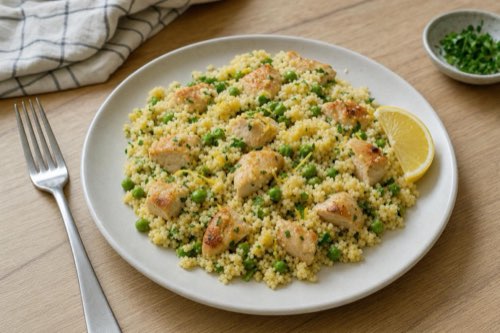
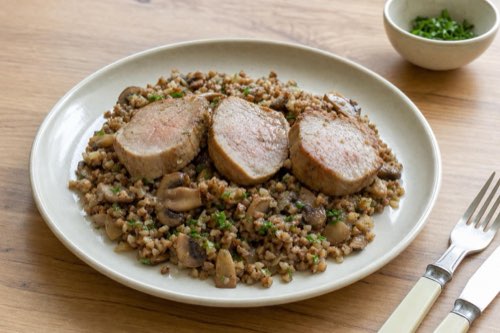
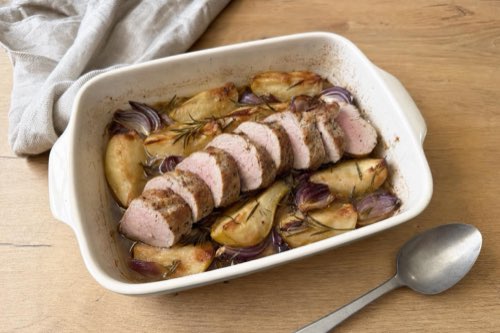
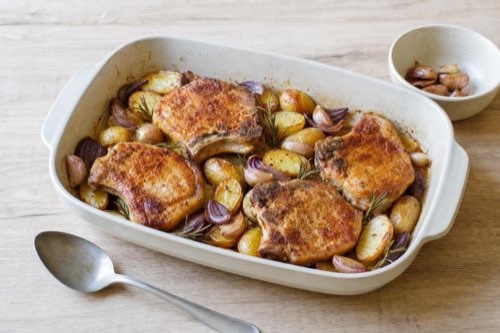
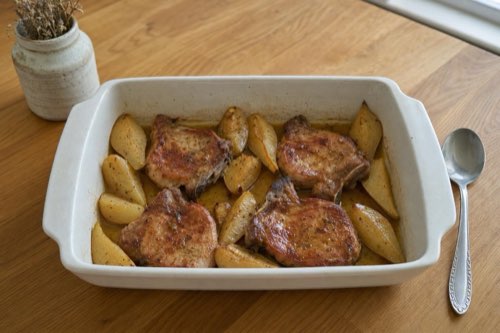
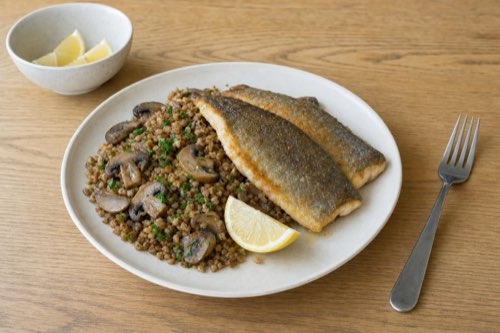
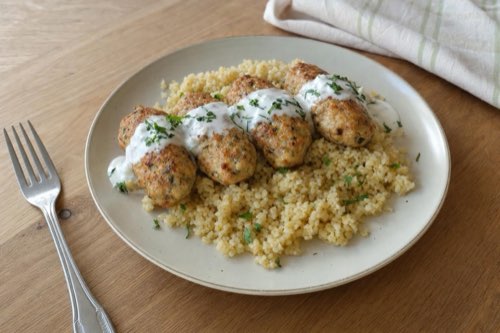
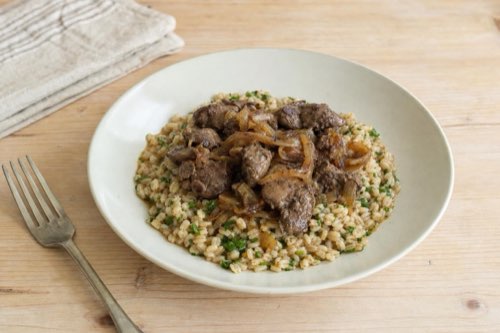
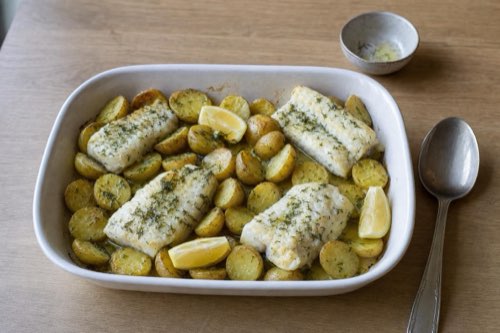
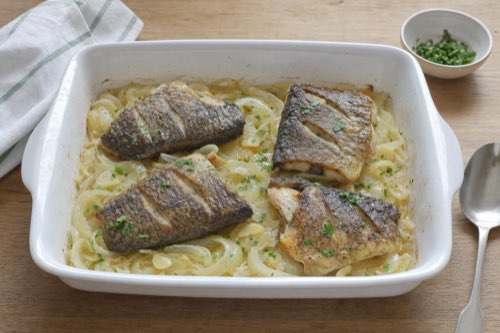
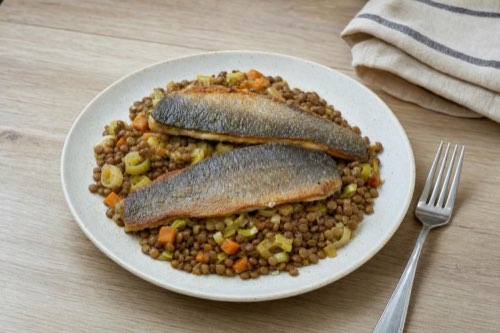
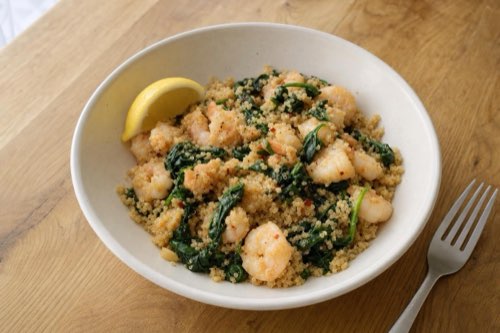
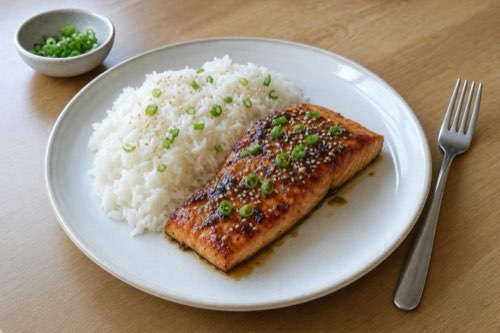
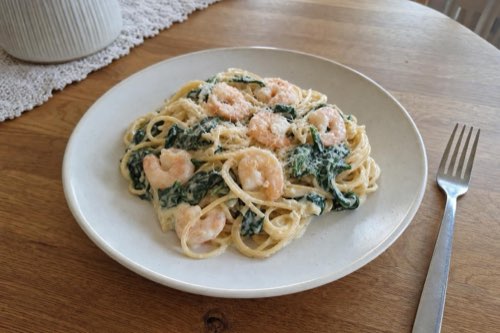
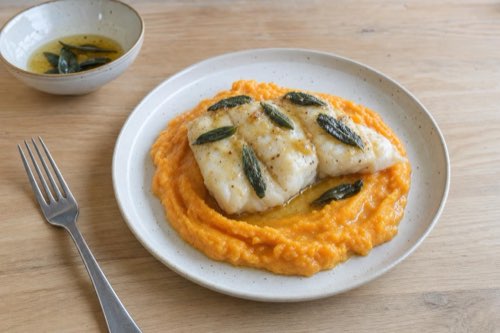
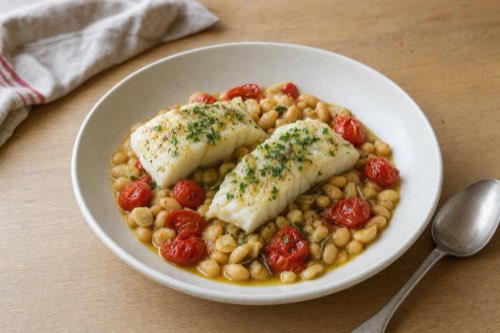
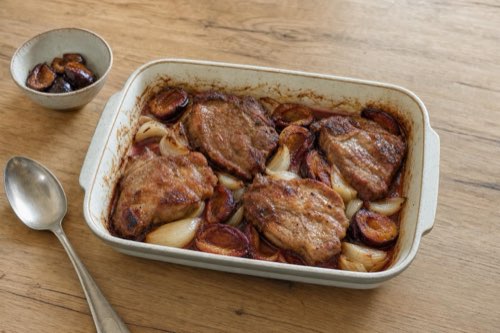
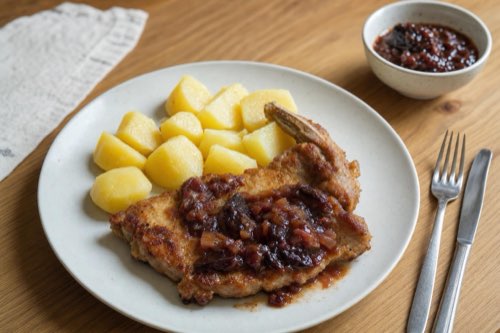
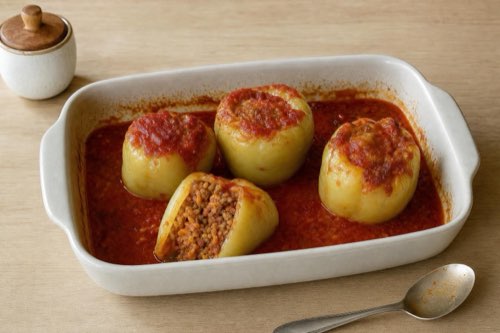
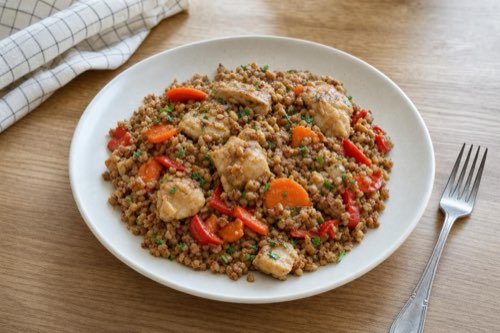
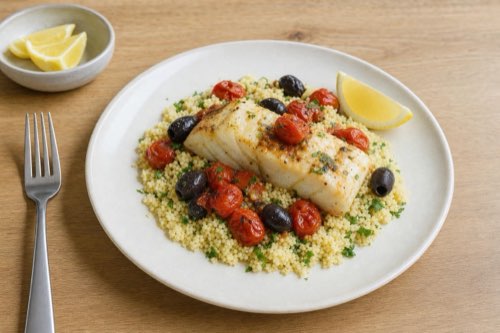
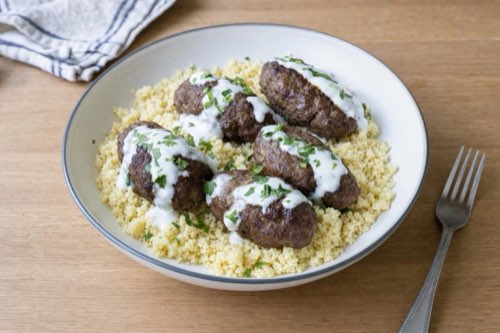
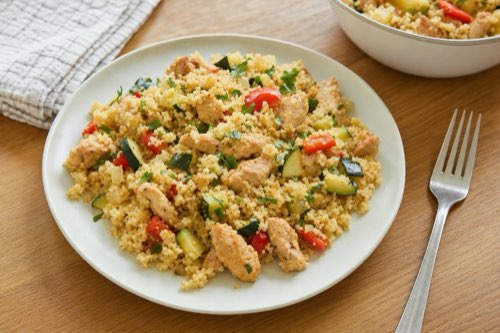
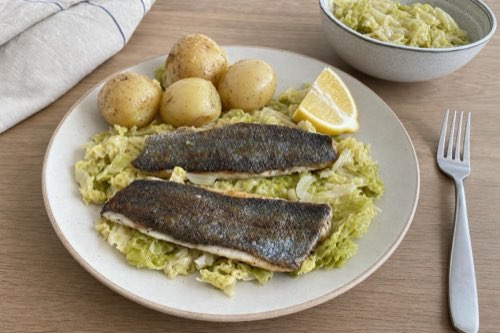
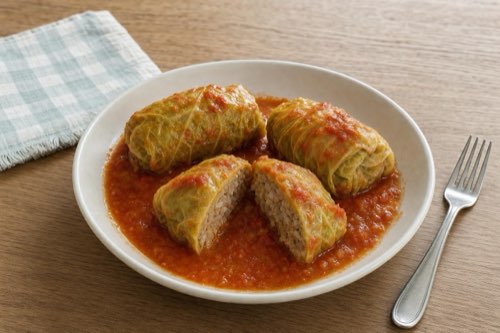
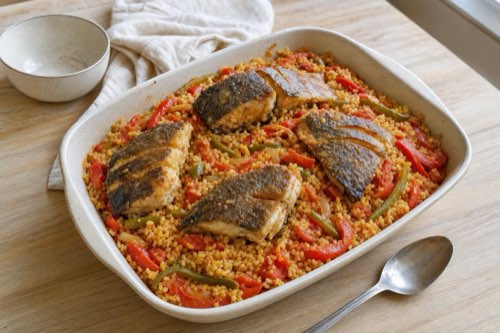
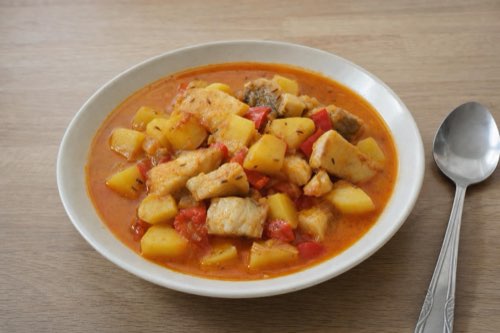
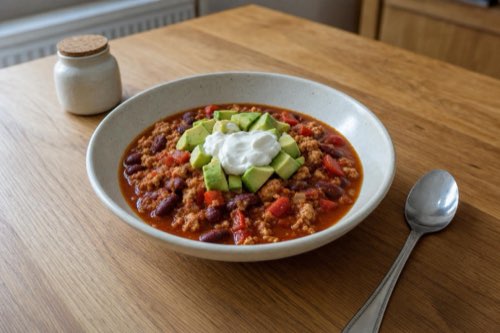
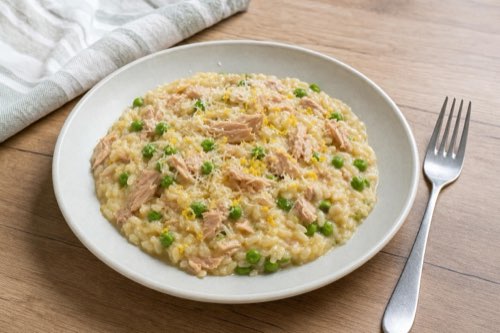
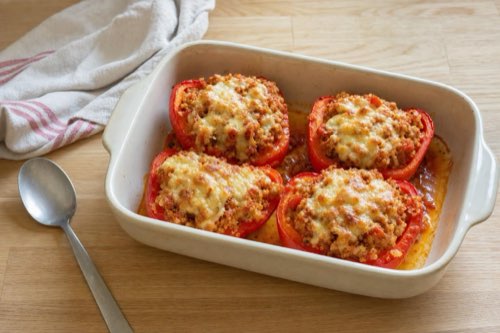
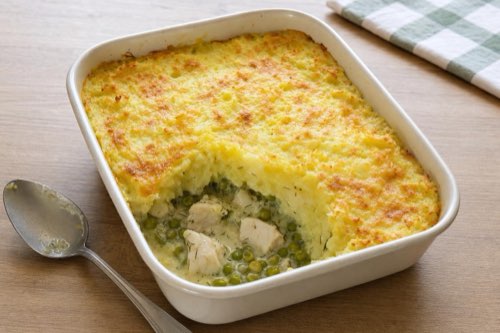
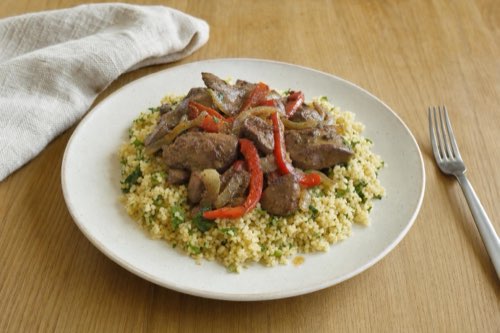
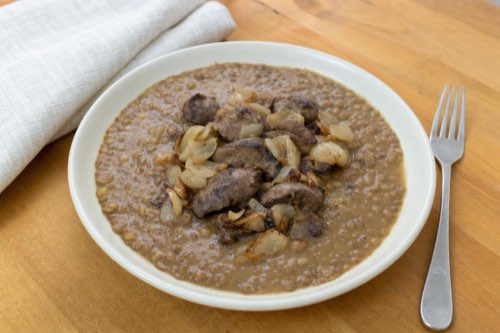
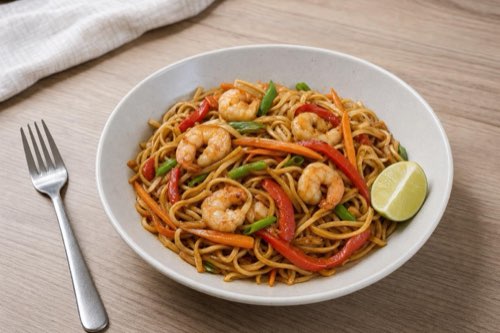
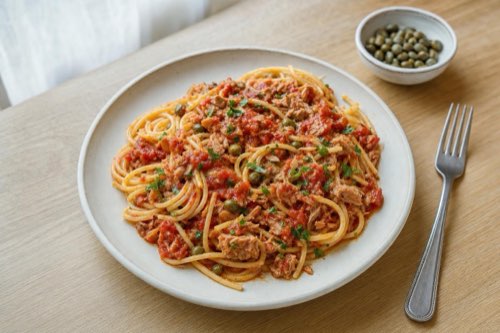
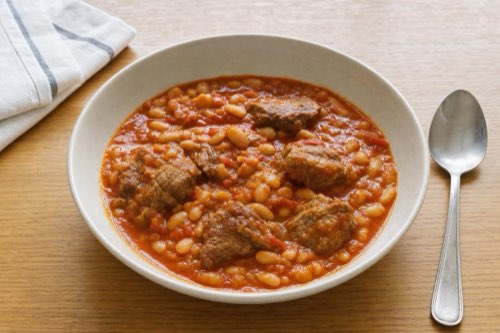
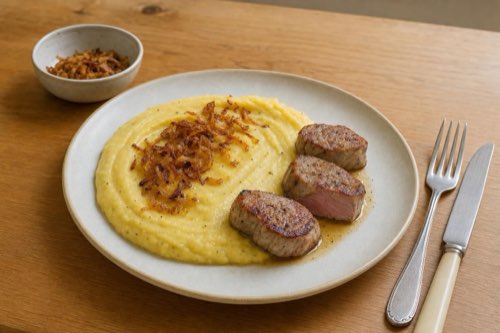
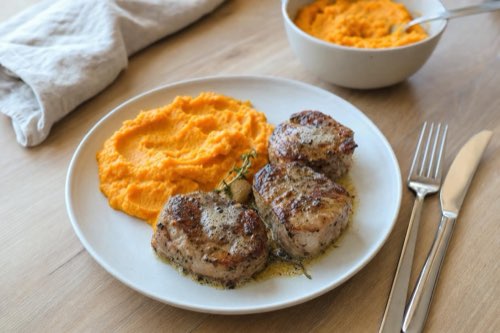
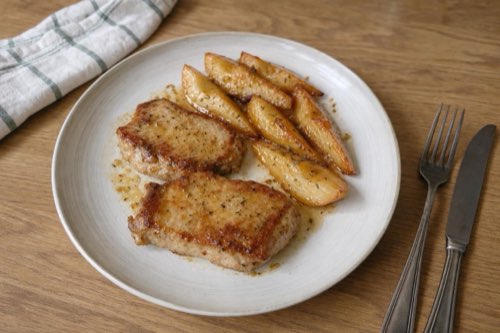
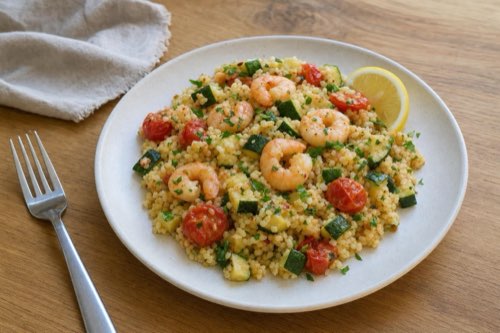
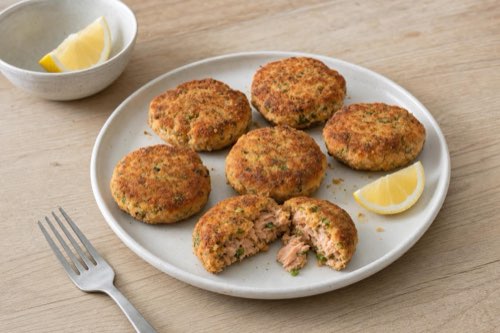
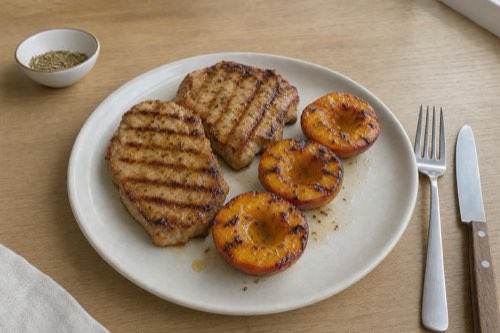
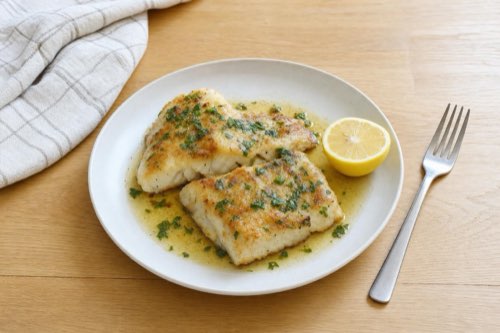
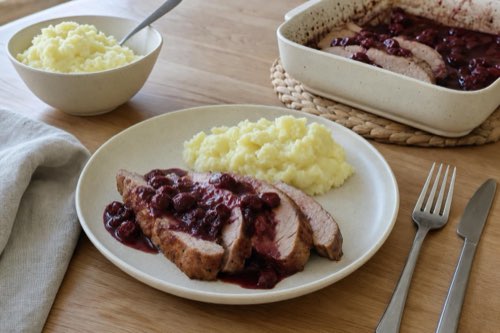
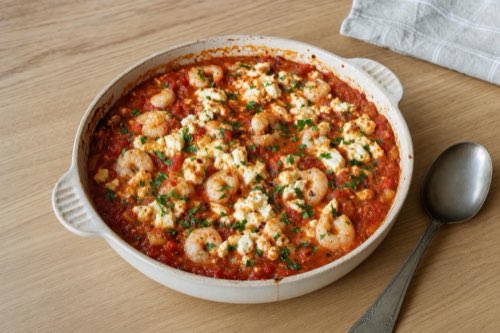
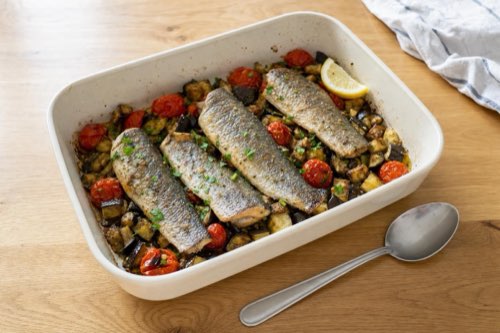
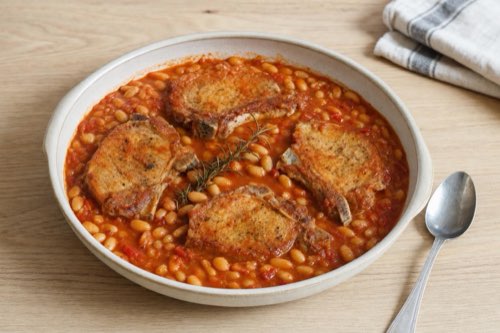
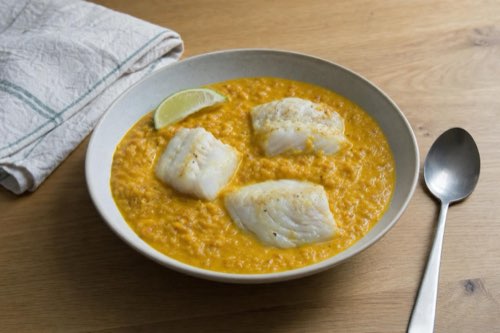
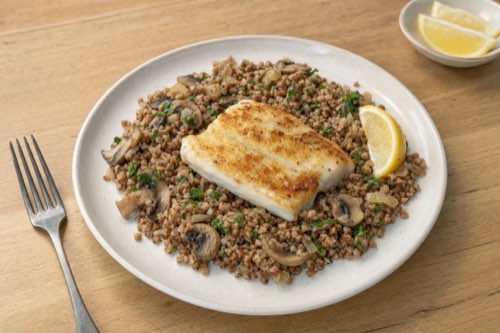
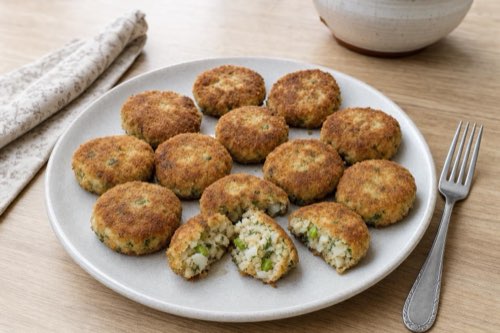
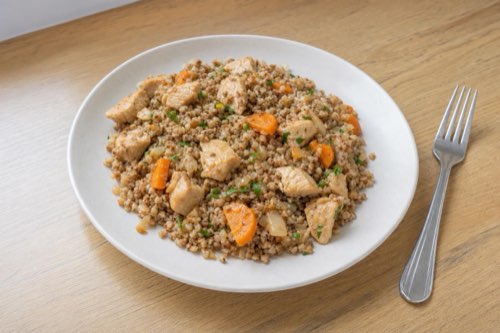
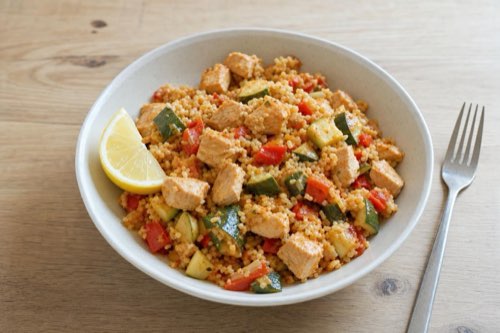
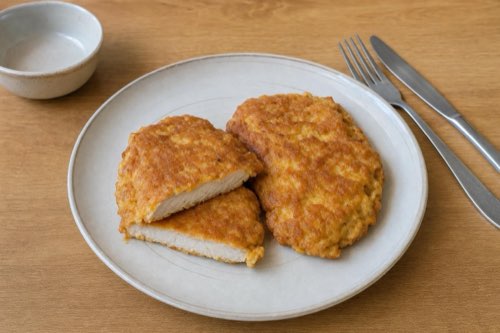
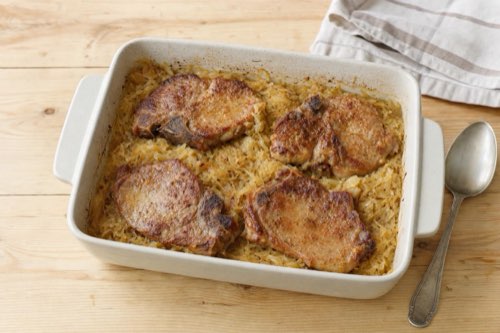
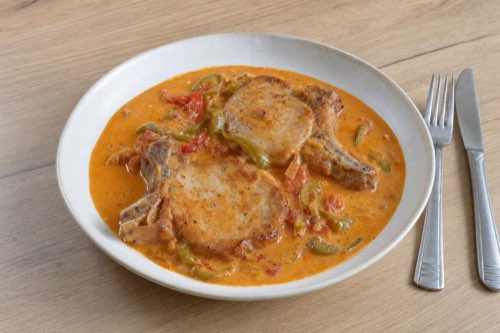
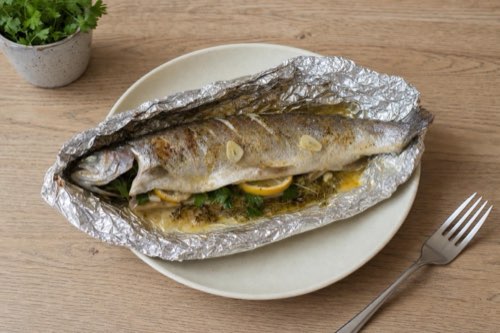
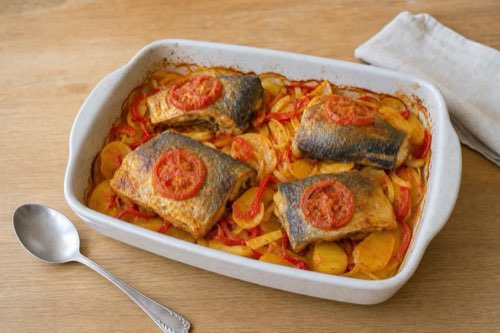
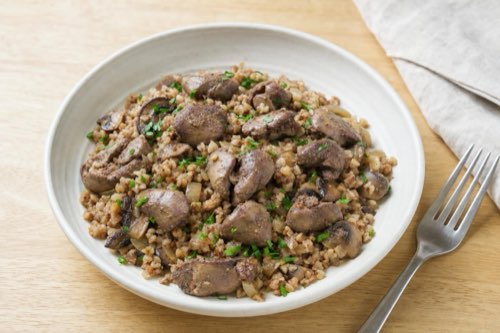
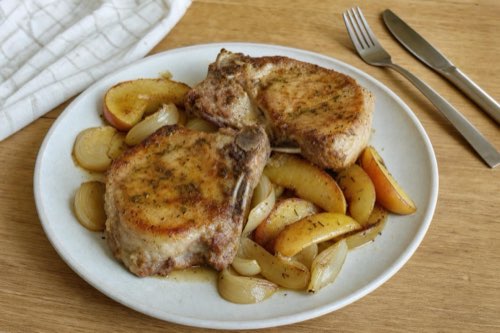
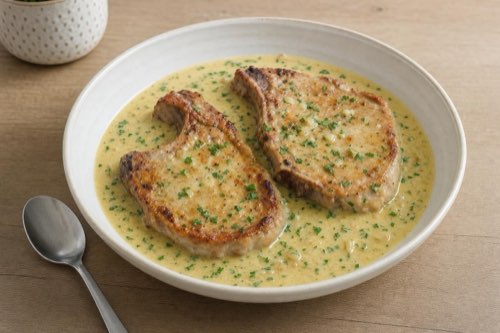
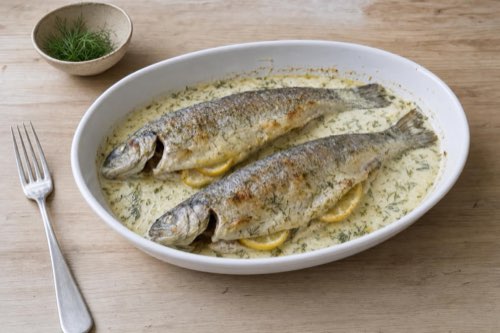
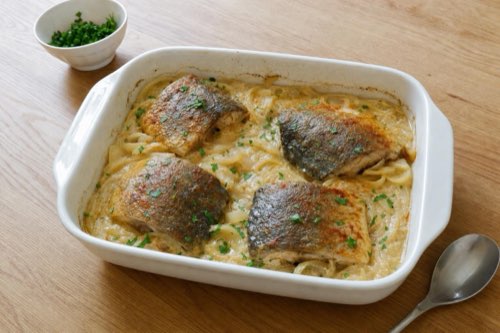
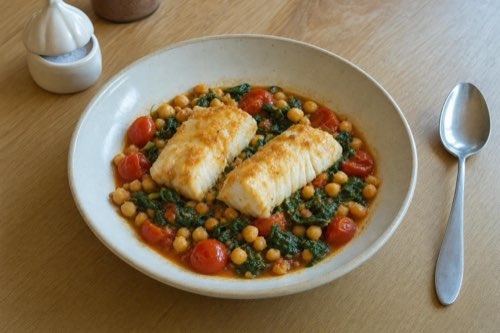
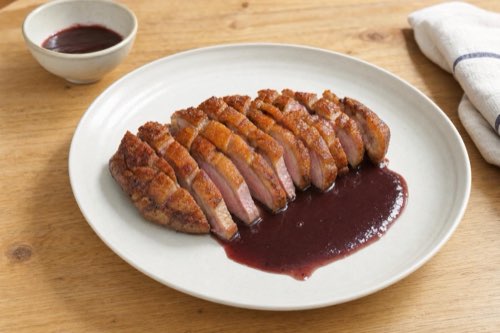
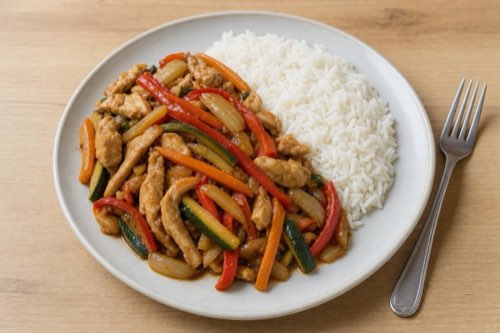
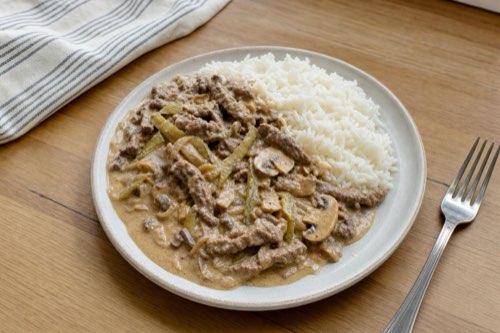
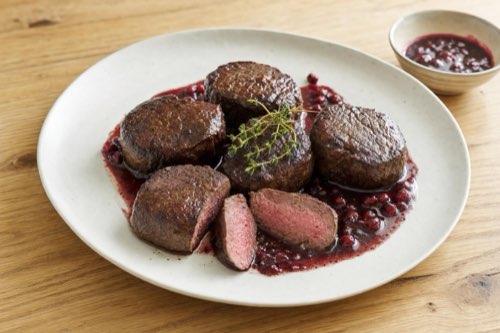
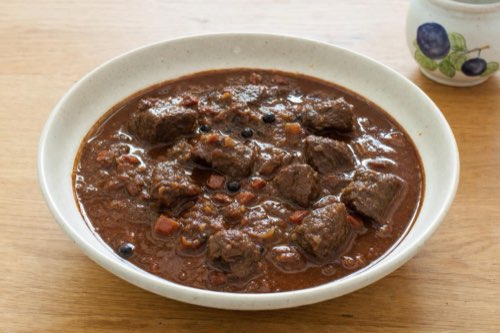
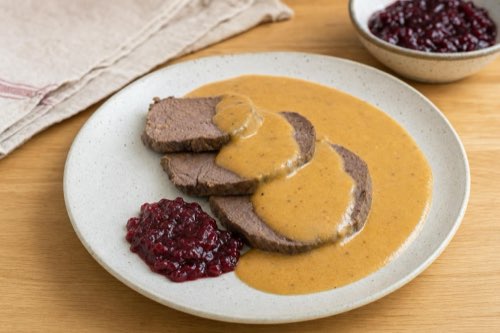
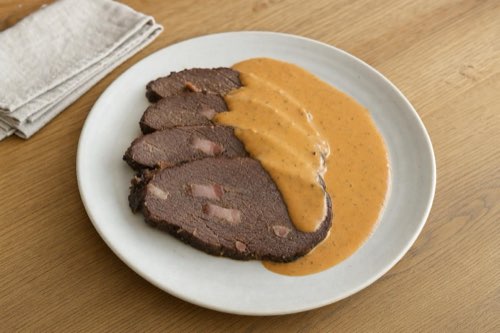
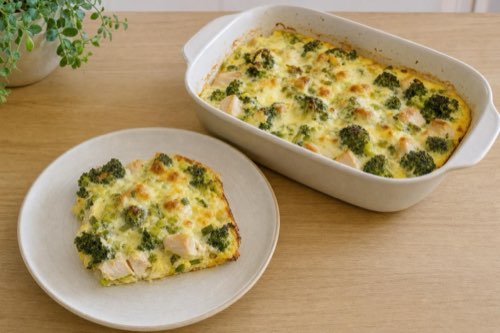
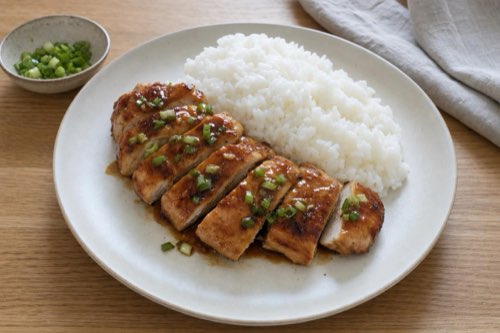
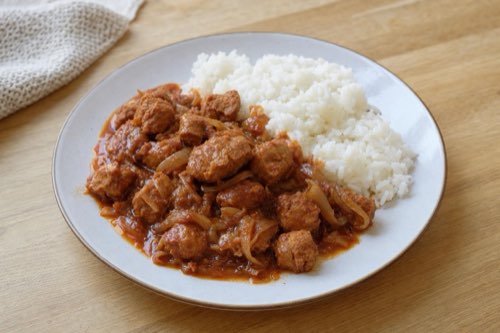
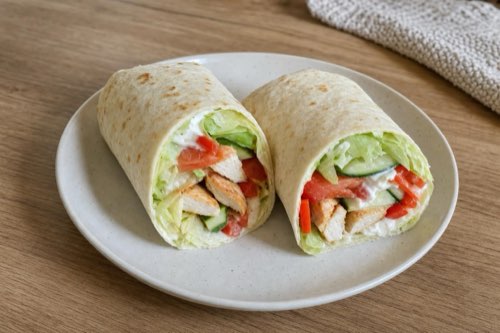
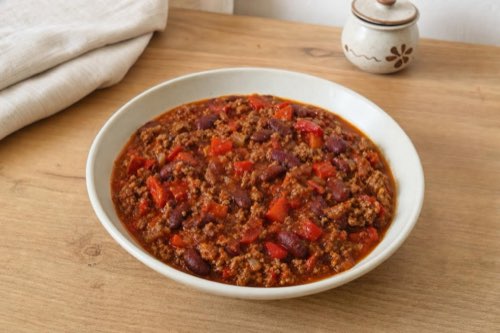
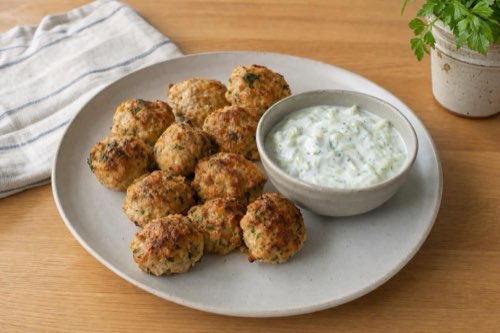
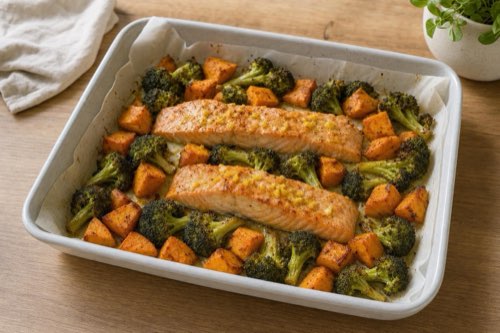
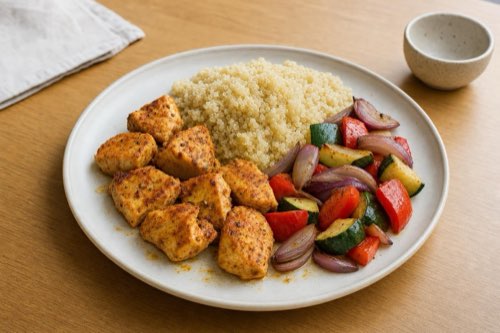
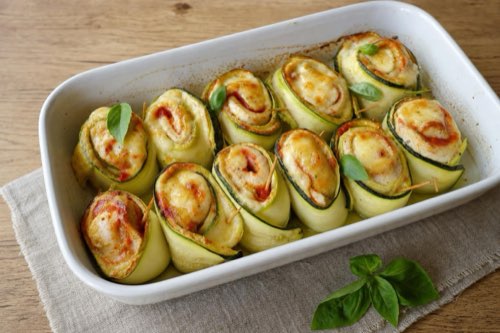
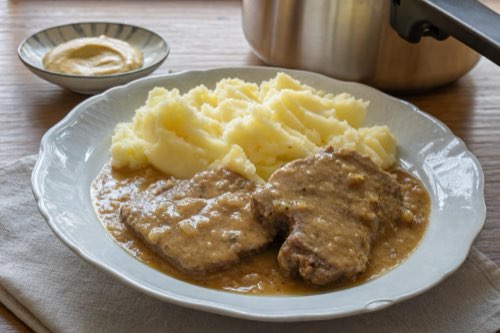
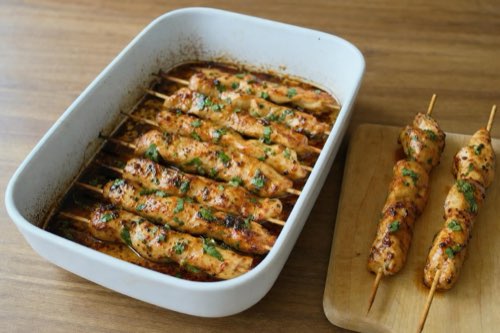
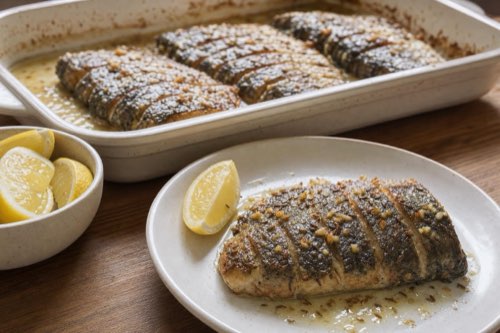
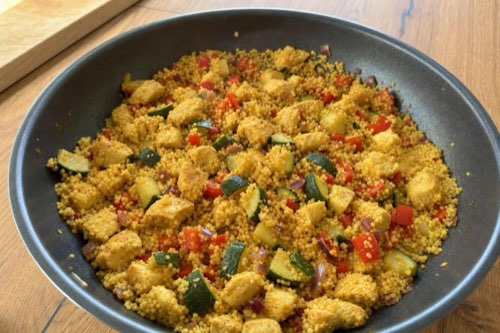
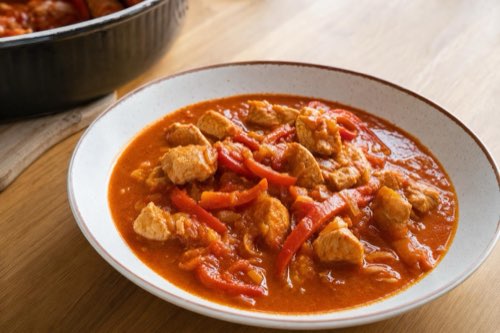
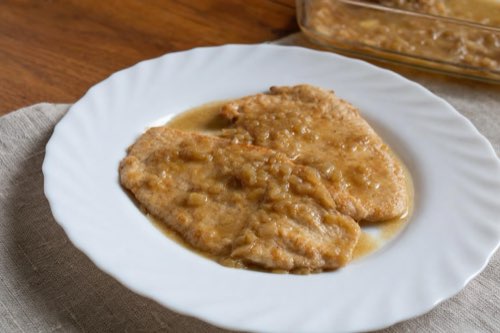
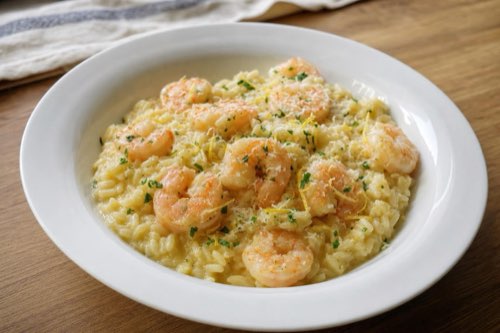
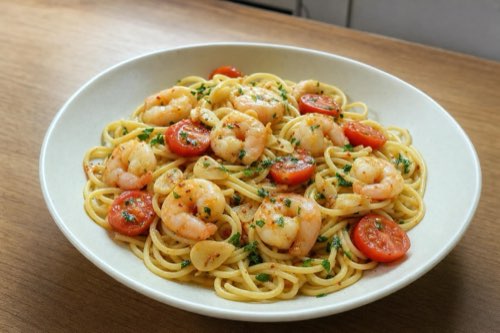
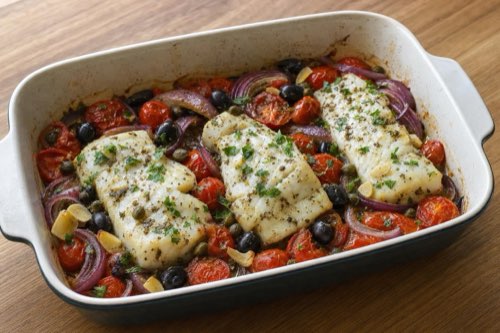
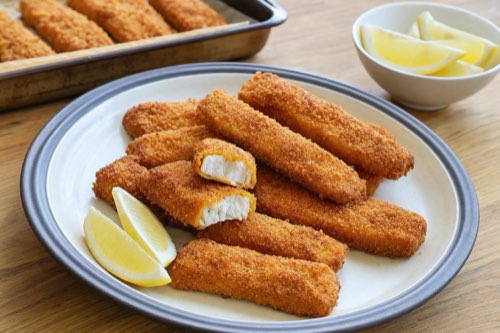
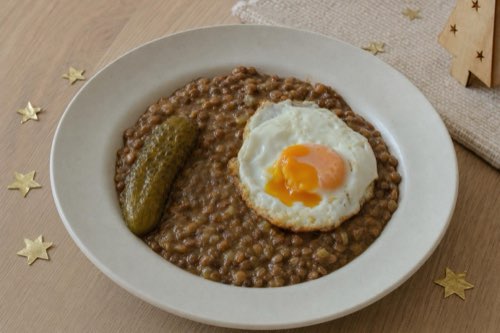
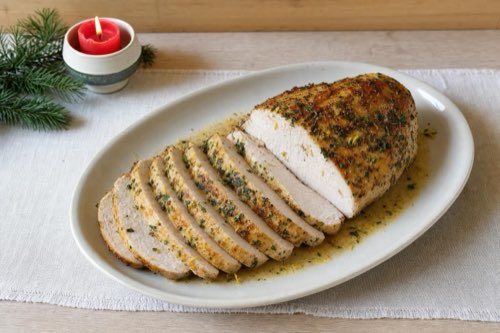
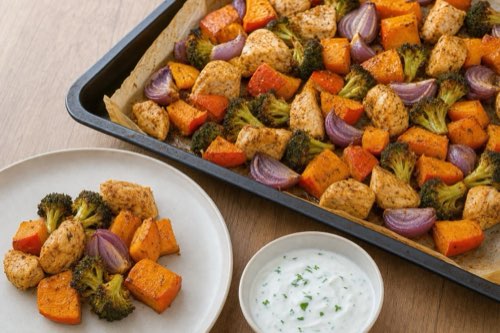
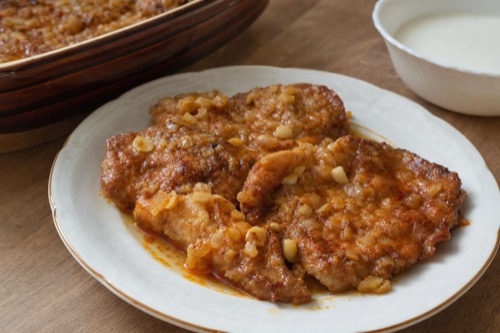
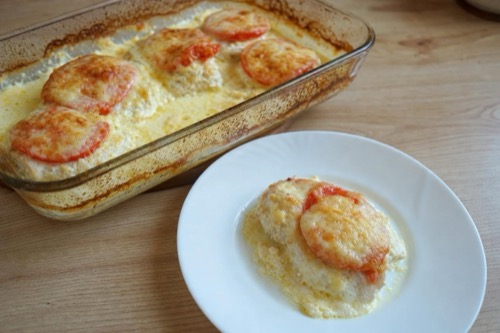
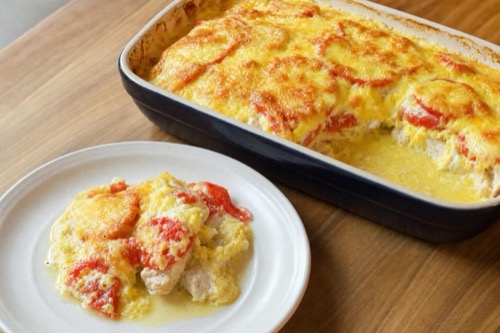
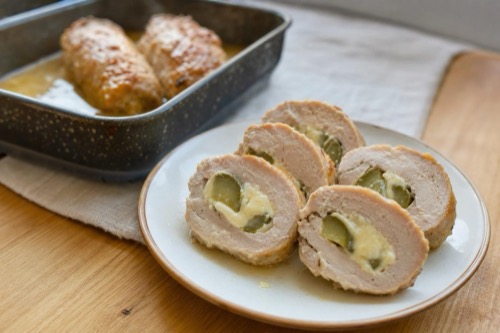
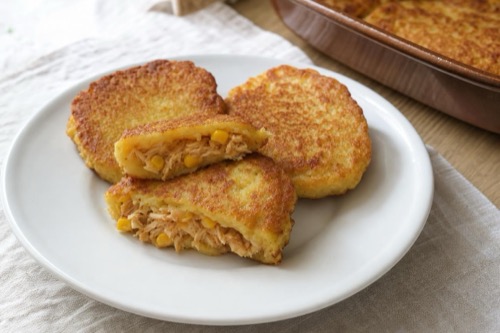
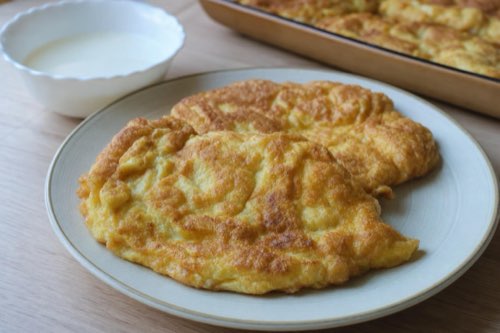
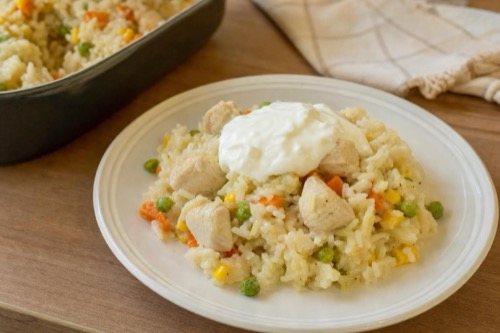
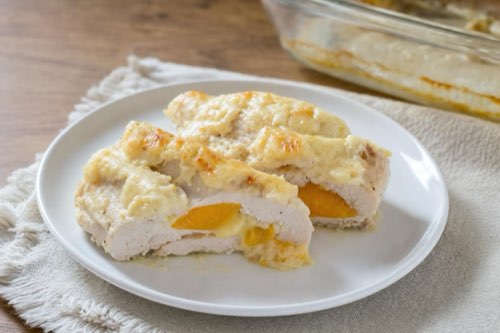
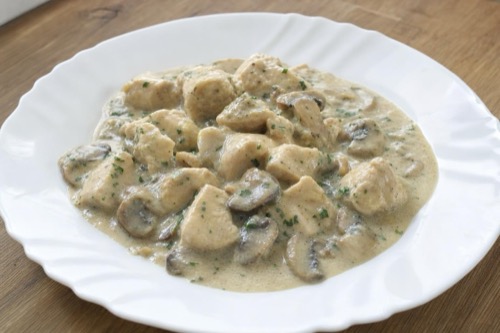
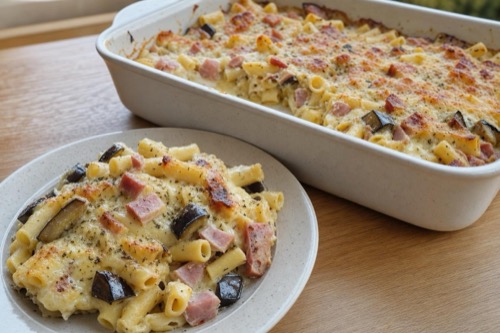
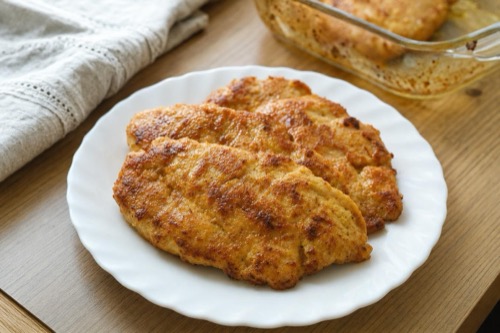
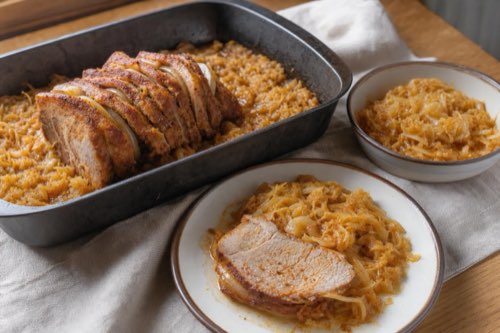
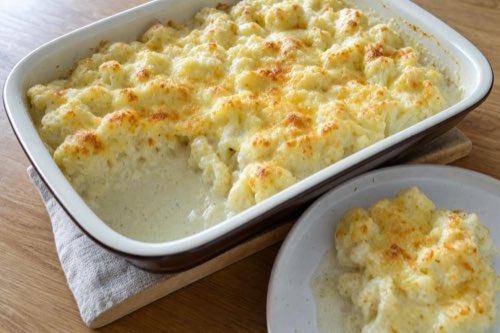
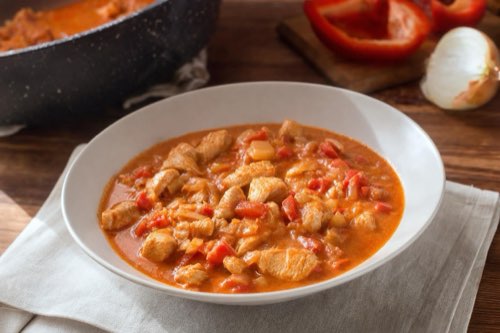
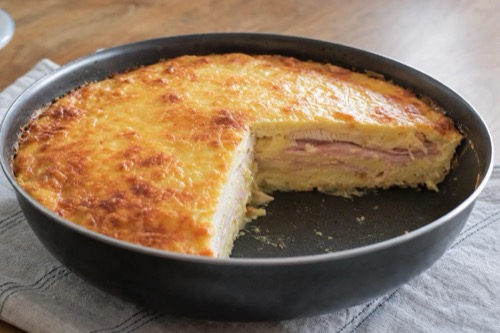
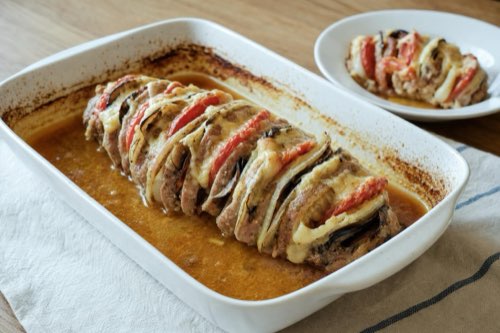
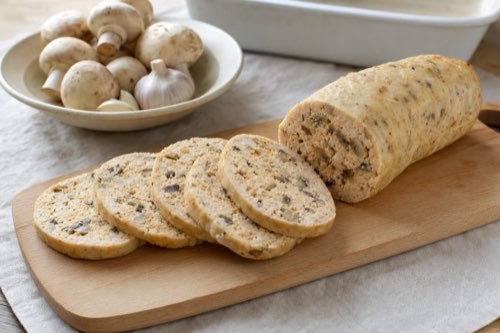
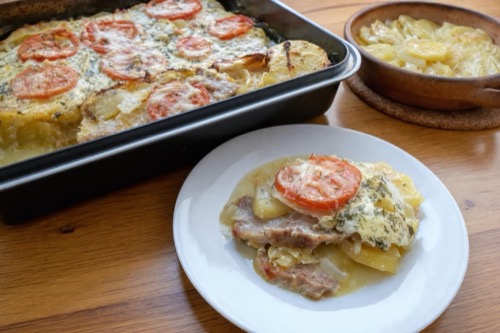
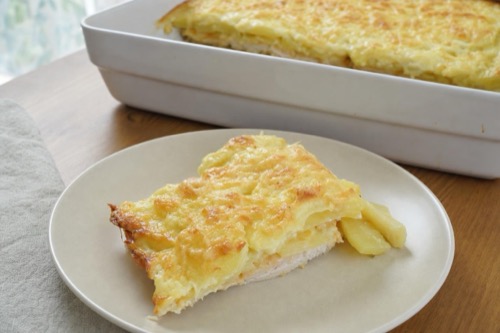
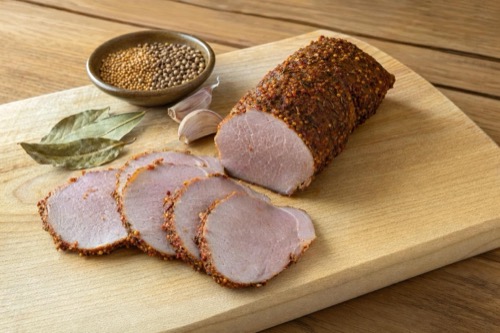
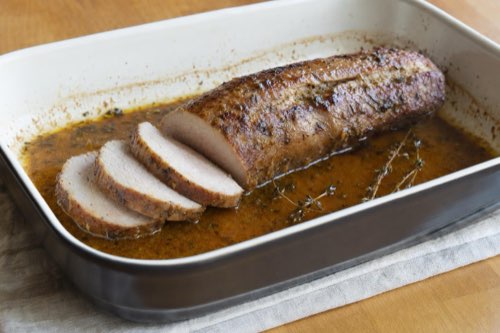
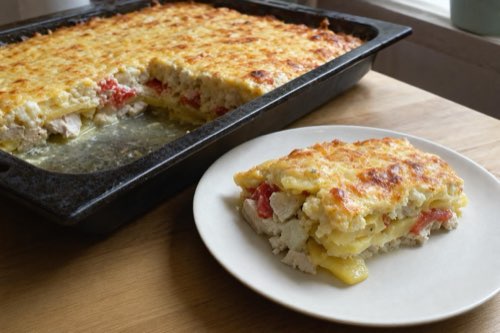
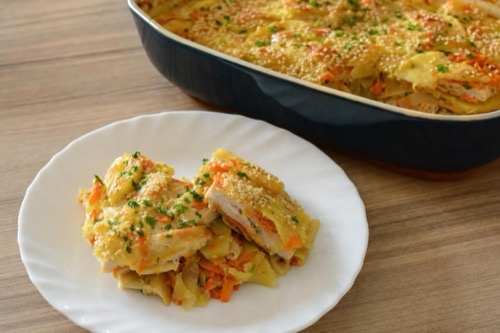
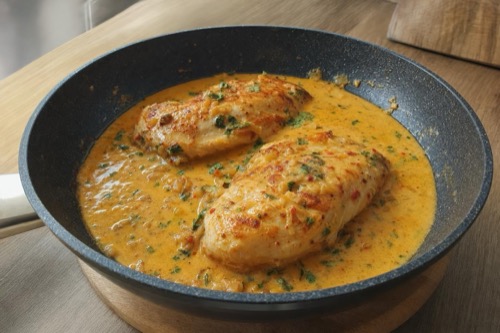
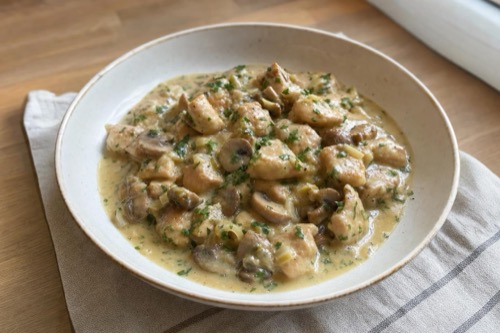
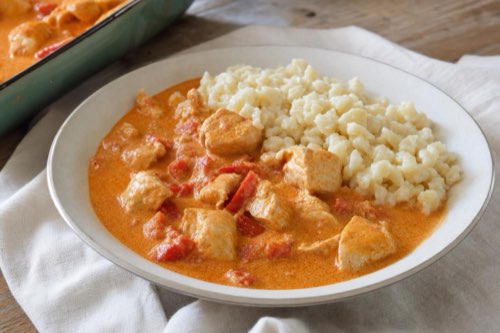
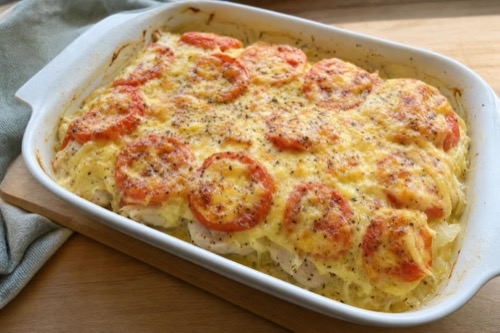
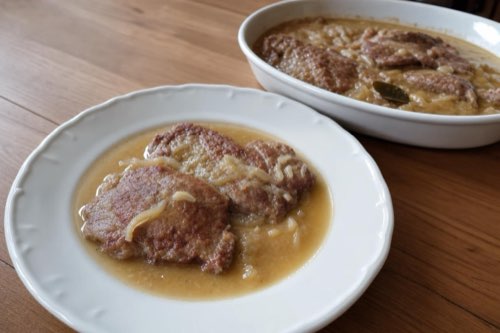
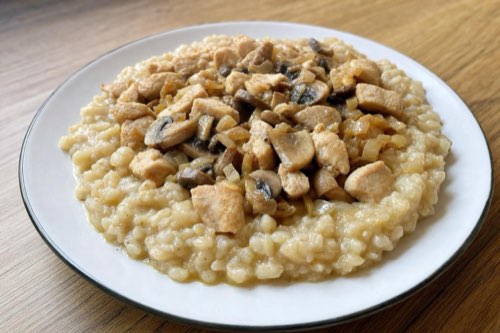
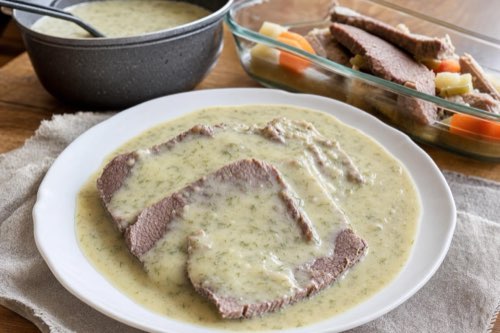
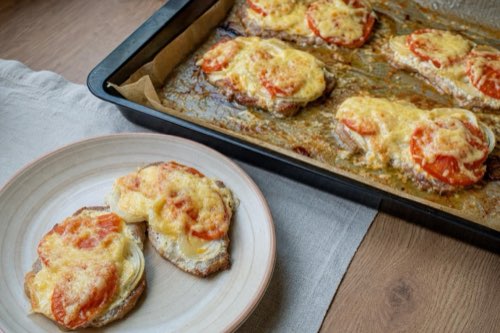
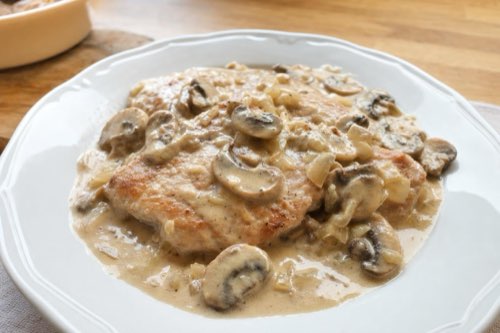
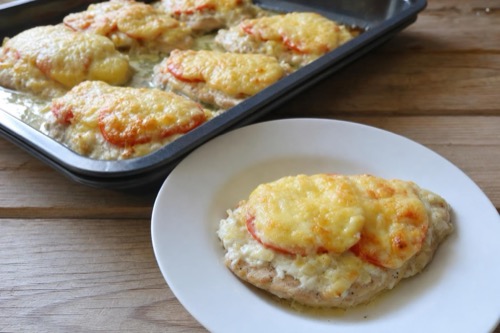
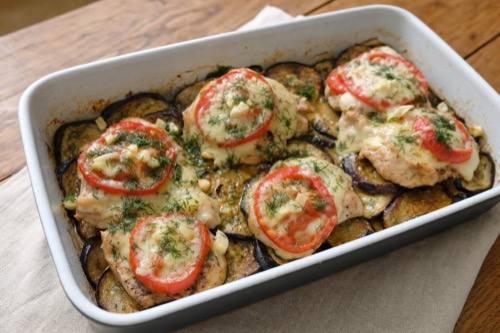
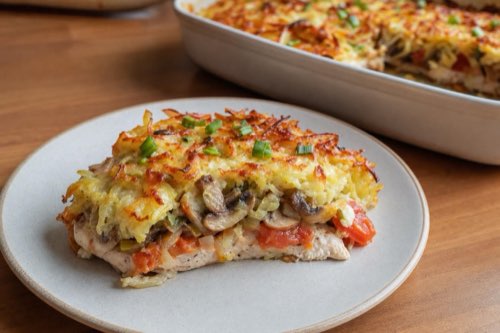
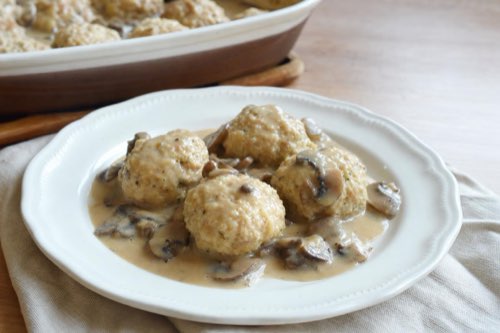
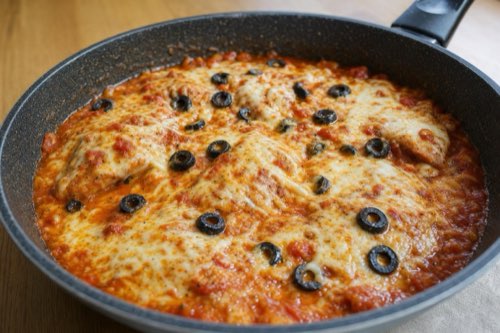
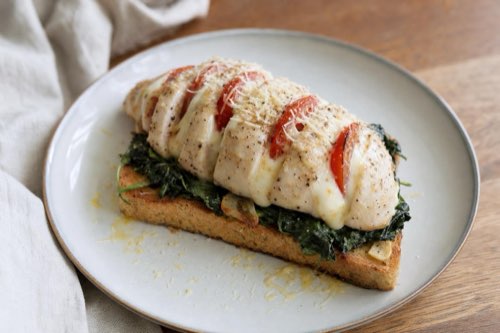
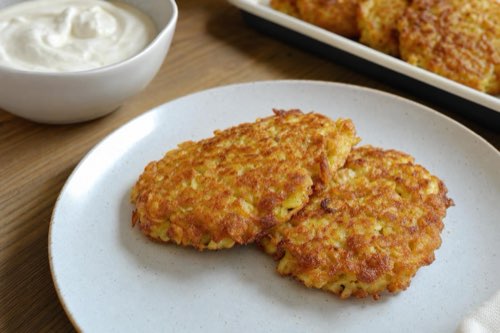
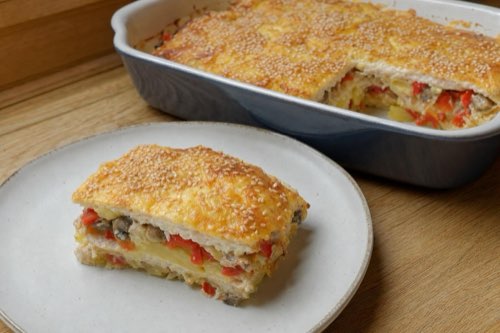
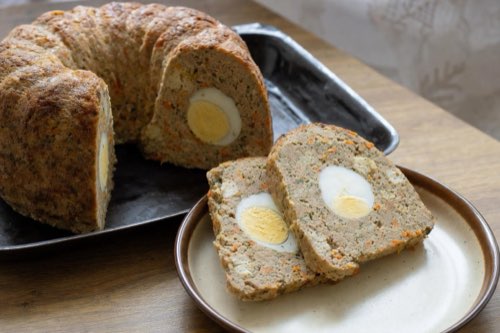
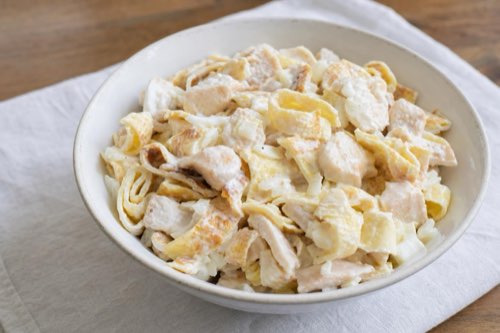
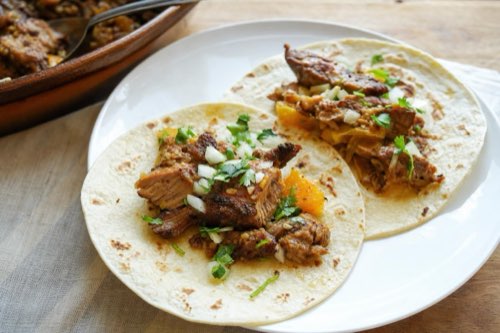
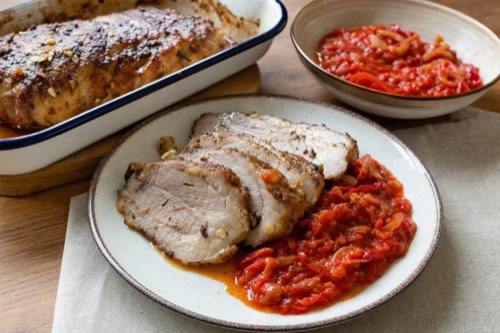

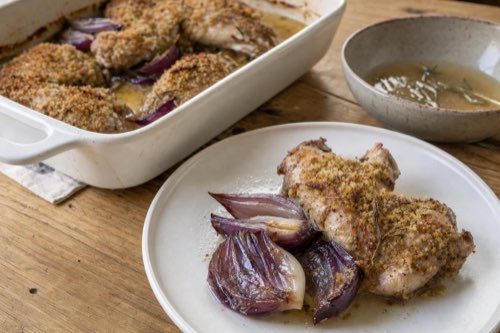
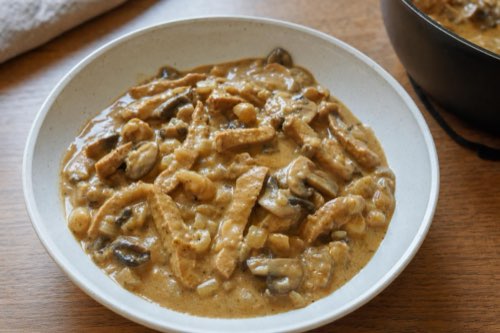
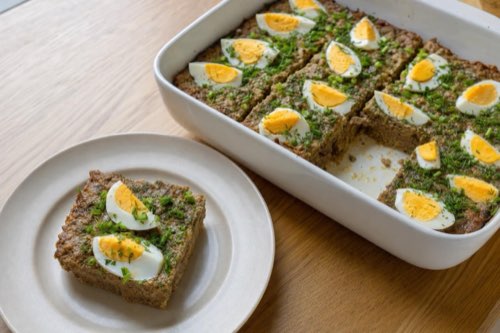
at least 20 g protein and at most 550 kcal per serving
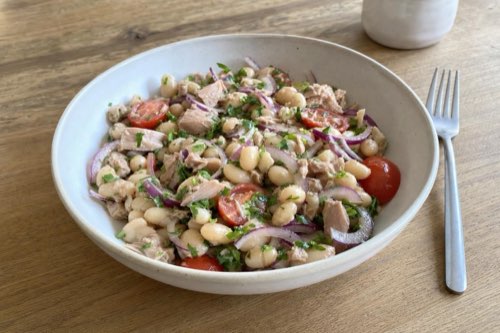
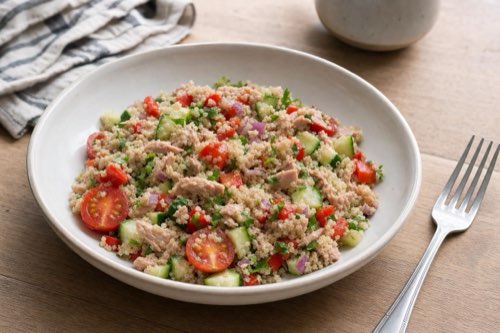
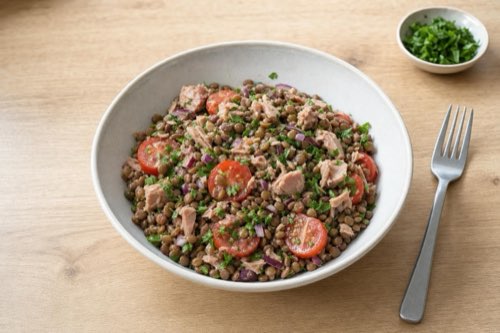
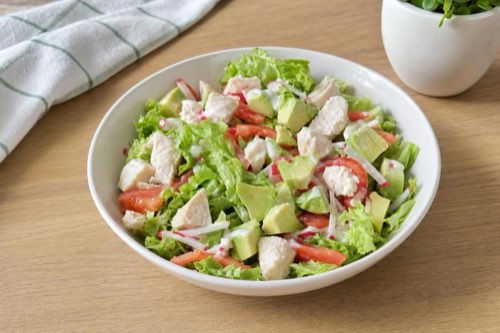
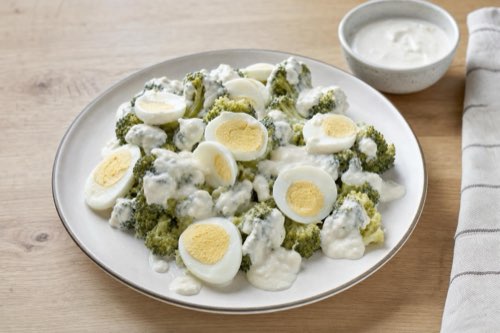
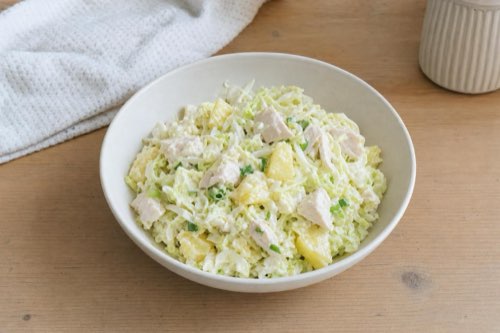
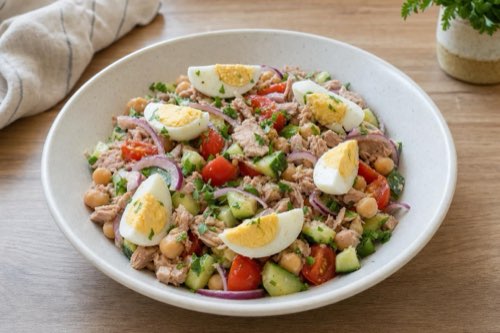
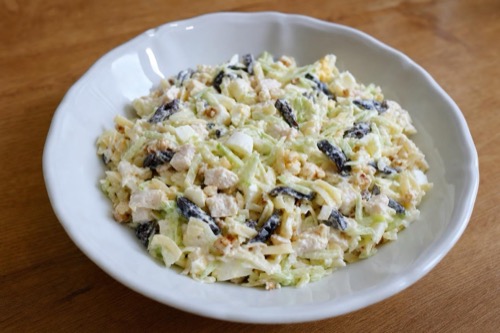
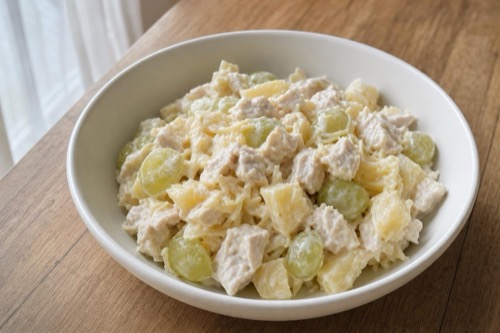
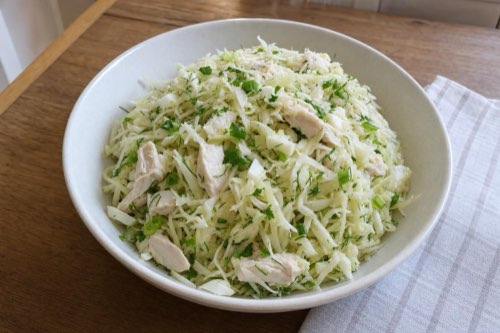
at least 20 g protein and at most 450 kcal per serving
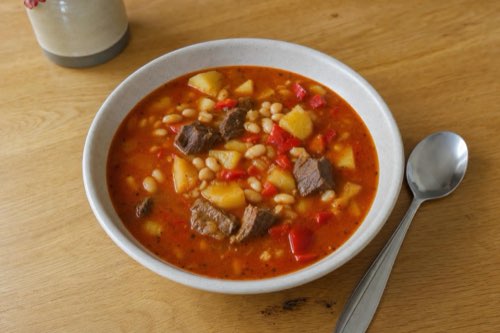
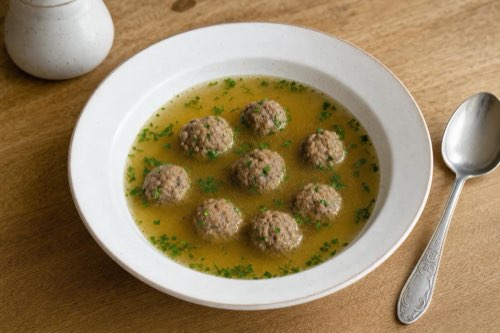
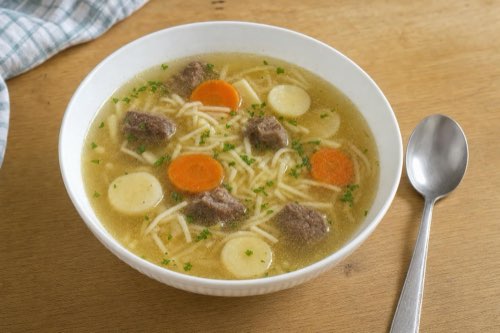
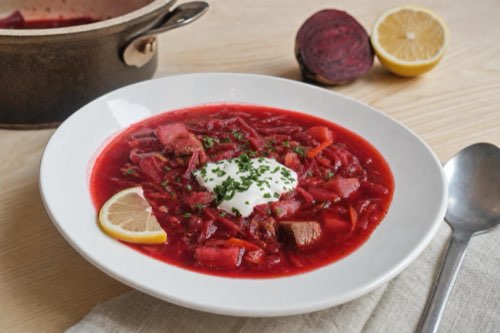
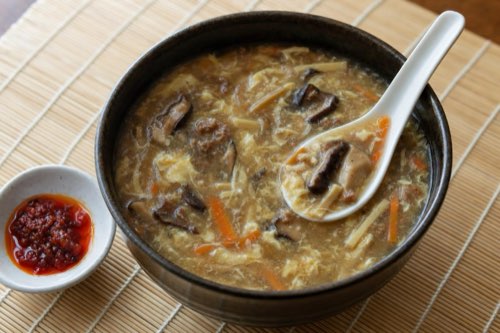
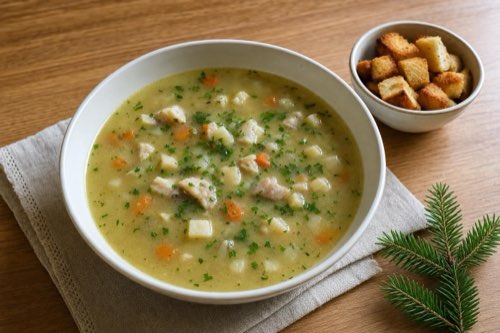
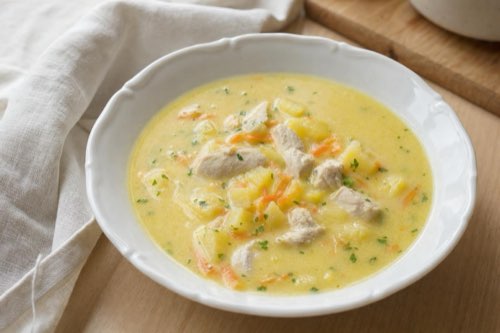
at least 10 g protein and at most 350 kcal per serving

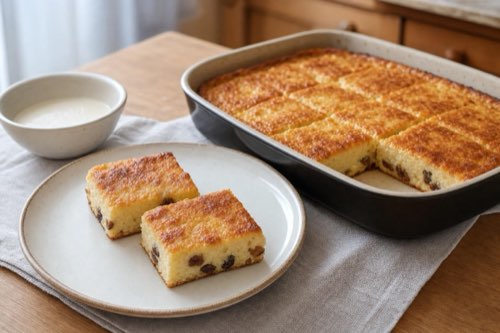
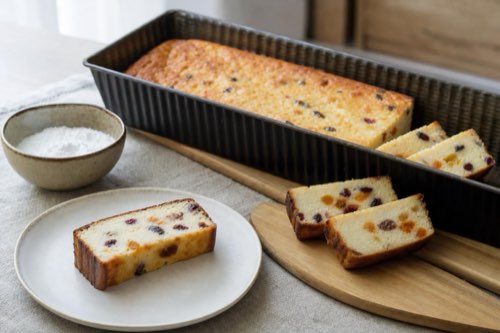
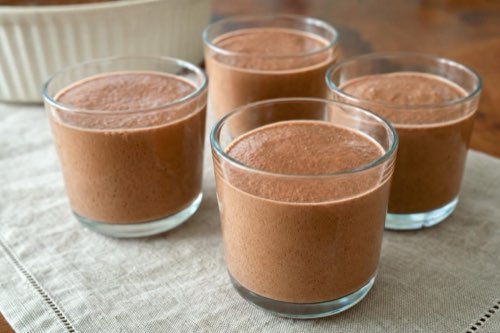
We calculate calories, protein, fat and carbohydrates for every recipe from its ingredients and their amounts using the USDA FoodData Central food composition tables (for Slovak products such as quark or skyr, from a typical label) and divide them by the number of servings – just like for the light recipes. All values are shown with each recipe under Nutrition facts.