Article onlinefamilyhomerecipes.com/recipe/how-to-adjust-a-recipe-for-your-baking-pan/Scan the code to open the article on your phone
How to adjust a recipe for your baking pan
Learn how to scale ingredients for a different baking pan, adjust eggs and baking powder, and account for batter depth and baking time.
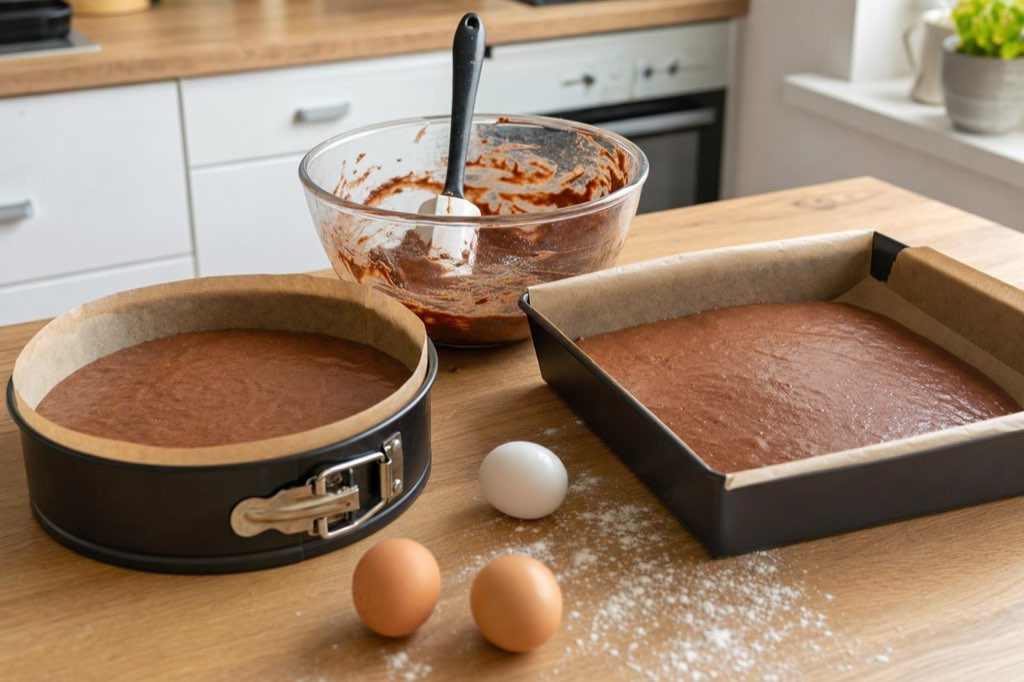
In shortDoes the recipe call for a 20 × 30 cm pan, but you only have a round cake pan? You don't need to buy a new one.
We'll show you how to adapt the recipe to your pan—how to scale ingredients by area, handle eggs and baking powder, account for changes in batter depth and baking time, and adjust layer cakes and cream-filled bars.
Measure your pan first
Measure the inside of the pan from edge to edge. For a round pan, measure the diameter; for a rectangular pan, measure the length and width of the base. Measure your oven's baking sheet, too—ovens vary, and the sheet is often much larger than the 20 × 30 cm pan called for in many recipes.
For a Bundt pan, a ribbed loaf mold, or another shaped pan, you can't measure the area this way. Fill it to the rim with water and measure how much it holds, then compare its volume with that of the pan in the recipe, just as you would compare their areas.
Scale ingredients by pan area
The area of the base is what matters. A round pan with a diameter of 24 cm has an area of about 452 cm²; one with a diameter of 26 cm has an area of about 531 cm². A 20 × 30 cm rectangular pan has an area of 600 cm². Multiply the ingredient amounts by the ratio of the areas: new area / original area.
- From a 24 cm round pan to a 26 cm round pan: × 1.17, or 17% more
- From a 20 × 30 cm pan to a 26 cm round pan: × 0.88
- From a 20 × 30 cm pan to a 30 × 40 cm baking sheet: × 2, or double
The baking pan conversion calculator can do the math for you—enter the recipe's ingredients to scale them all at once.
Eggs, baking powder, and small amounts
- Eggs: Round to whole eggs. If the calculation gives you 2.5 eggs, use 2 large eggs or 2 eggs and 1 yolk.
- Baking powder: Adjust it according to the amount of flour—the package usually states how much flour one packet is intended for.
- Salt and flavorings: Approximate amounts are fine—a pinch of salt can stay a pinch even in a slightly larger pan.
- Cups and tablespoons: These can be awkward to divide when scaling. For a substantial change, convert the recipe to grams first—the kitchen measurement converter can help.
Batter depth and baking time
If you scale the ingredients by area, the batter will be the same depth as in the recipe and will take about the same time to bake. Start testing with a skewer 5–10 minutes earlier than the recipe indicates.
If you put the same amount of batter into a larger pan, it will be shallower and bake faster. In a smaller pan, it will be deeper and need more time—you can lower the temperature by about 10 °C (18 °F) to keep the edges from burning before the center is baked. Fill the pan no more than two-thirds full, as sponge cake batter and yeast dough will continue to rise in the oven.
Layer cakes and cream-filled bars
For a layer cake, scale the frosting, filling, and glaze by the same factor—a larger pan also means a larger surface to cover. For bars with several layers (cake, cream filling, and jelly), scale each layer separately, and measure the gelatin precisely according to the amount of liquid so the cream filling sets.
If you have a smaller pan and don't want to scale the recipe, make the full amount—put the leftover batter into muffin liners and bake them for less time.
Recipes where pan conversions come in handy
These recipes, for example, specify a pan or baking sheet size:
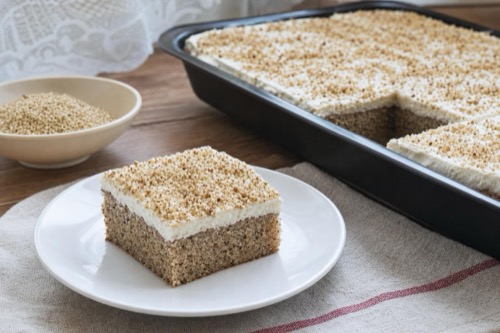
- One-egg walnut cake – 24 × 28 cm pan
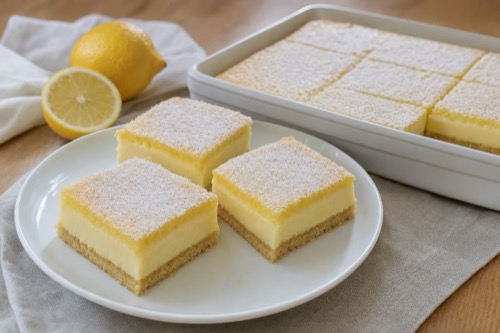
- Lemon pudding cream cake with a buttery base – 20 × 30 cm baking pan
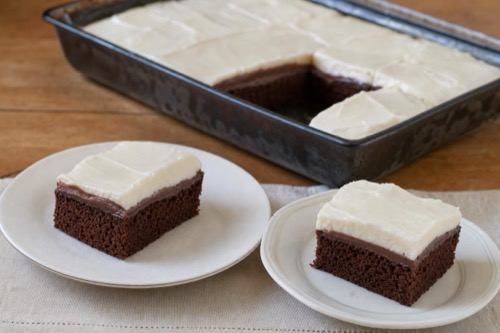
- Cocoa cake with chocolate pudding and sour cream – 25 × 35 cm baking pan
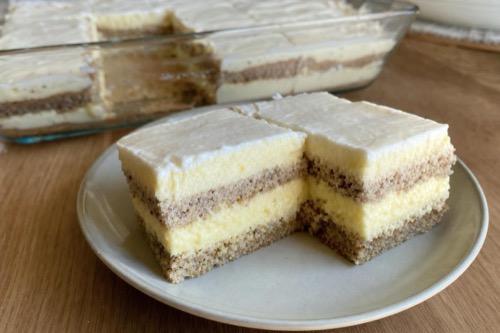
- Hungarian walnut cream cake with pudding and whipped cream – 30 × 40 cm baking pan
- Flourless cocoa sponge cake – 26 cm round cake pan
The most common pan size in our recipes is 20 × 30 cm. If you're baking from an old recipe that uses decagrams and cups, also read Measurements in old recipes: decagrams, cups, tablespoons, and pinches.
This article was translated from the Slovak original: Ako prispôsobiť recept vašej forme na pečenie
Follow us
Recipe ideas every day on Facebook & Pinterest.