Article onlinefamilyhomerecipes.com/recipe/what-to-cook-for-st-martins-day-goose-lunch-plan/Scan the code to open the article on your phone
What to cook for St. Martin’s Day: lunch plan so goose, lokše and cabbage are hot at once
A St. Martin’s Day lunch plan for 6: what to prepare ahead, when to roast the goose and cook the lokše, plus a shopping list.
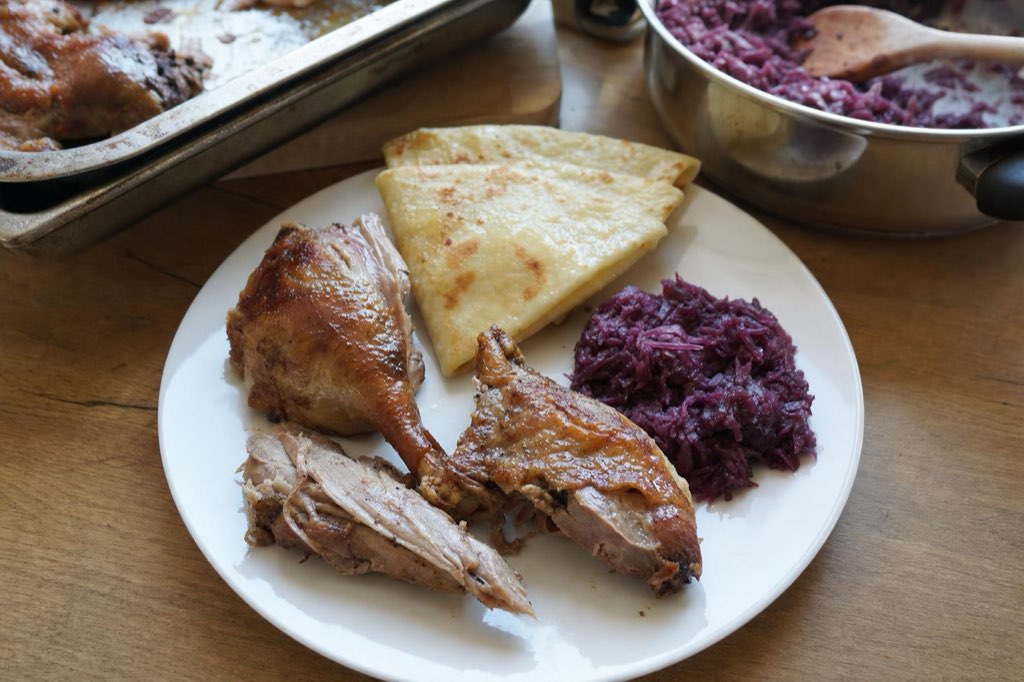
In shortIn Slovakia, roast goose is traditionally served with lokše, thin potato flatbreads, and braised cabbage on St. Martin’s Day, November 11.
The goose roasts for over four hours, and lokše are made with cooled potatoes, so you can prepare lunch without rushing by spreading the work over two days. This plan serves 6, with lunch at 13:00—adjust the times to suit your schedule.
The day before: salt the goose, boil the potatoes and braise the cabbage
On the evening before St. Martin’s Day, pat the goose dry, rub it with salt and caraway seeds, and leave it uncovered in the refrigerator overnight. The skin will dry out and crisp up better in the oven. Boil the potatoes in their skins for the lokše, peel them, and let them cool overnight. Warm potatoes would make the dough sticky and require more flour.
You can also prepare the braised red cabbage with apple and wine or sweet-and-sour green cabbage ahead of time and simply reheat it the next day. If you would like pastries on the table too, bake the St. Martin’s poppy seed crescent rolls or St. Martin’s goose-shaped yeast buns the day before as well.
St. Martin’s Day: when to start each task
- 8:30 – Place the goose stuffed with apples and onion in an oven preheated to 160 °C (325 °F), covered and breast-side down.
- 10:00 – Turn the goose breast-side up, baste it with the pan juices, and pour off the fat into a cup. Baste about every 40 minutes.
- 11:30 – Remove the lid, increase the oven temperature to 200 °C (400 °F), and roast the goose for another 30–40 minutes until crisp.
- 12:00 – Make the lokše dough with the potatoes, flour and salt, and divide it into 12 balls.
- 12:15 – Remove the goose from the oven and let it rest. Meanwhile, cook the lokše on a dry griddle or skillet and brush them with goose fat.
- 12:45 – Reheat the cabbage and carve the goose. Serve lunch at 13:00.
What to buy for 6 people
- 1 goose weighing 4–4.5 kg, 3 tart apples and 1 onion,
- For the lokše: 1 kg potatoes, 300 g all-purpose flour and 50 g butter—enough for 12 flatbreads,
- For the red cabbage: 1 kg cabbage, 1 apple, 1 onion and 150 ml red wine,
- Salt, whole caraway seeds, ground black pepper and, for the cabbage, apple cider vinegar, sugar, a bay leaf and cloves.
When a whole goose is not for you
For 2–4 people, goose legs with red cabbage and lokše are enough and will fit in a smaller roasting pan. Instead of goose, you can roast a whole duck with apples or duck legs with cabbage. Goose liver makes a quick dish of liver with onions and apples, and lokše can also be made without potatoes, using flour and acidophilus cultured milk.
Find all the recipes for the day in the St. Martin’s Day recipes collection.
Why goose is roasted on St. Martin’s Day
According to legend, St. Martin of Tours did not want to become a bishop and hid among geese, whose honking gave him away. That is why goose is roasted on his feast day. In the Czech Republic, the first bottles of young St. Martin’s wine are opened at 11:11 a.m. on St. Martin’s Day. Martin also features in a familiar weather saying: “Martin arrives on a white horse,” meaning that he often brings snow.
This article was translated from the Slovak original: Čo uvariť na Martina: plán obeda s husou, lokšami a kapustou, aby bolo všetko teplé naraz
Follow us
Recipe ideas every day on Facebook & Pinterest.
Recipes from this article
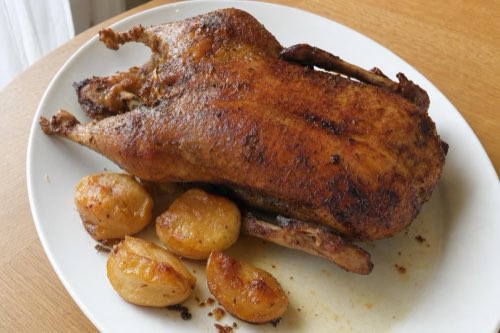
Crisp whole St. Martin’s roast goose: meat slips off the bone, fat for lokše
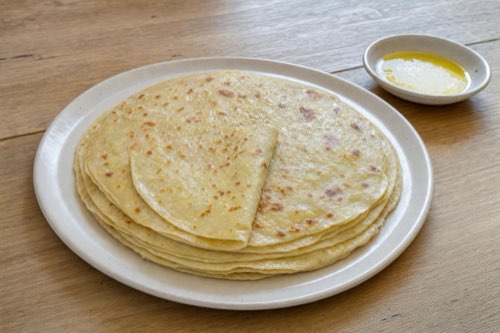
Lokše: Slovak potato flatbreads
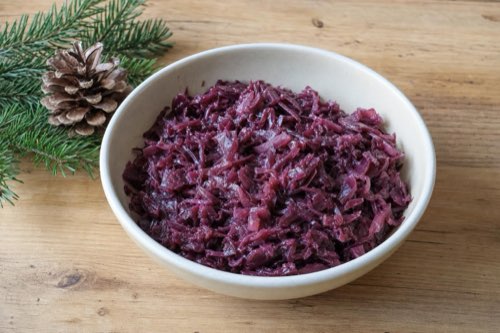
Braised red cabbage with apple and red wine
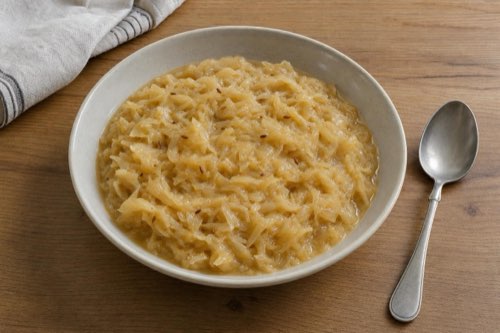
Sweet-and-sour braised white cabbage
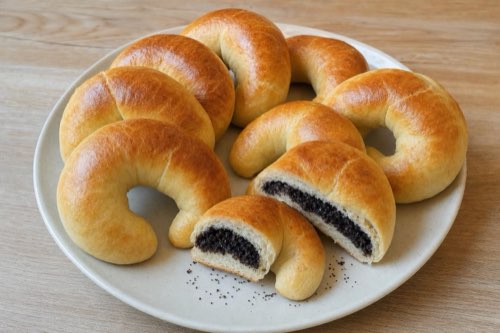
St. Martin’s crescents: soft poppy seed rolls for November 11 that keep their filling
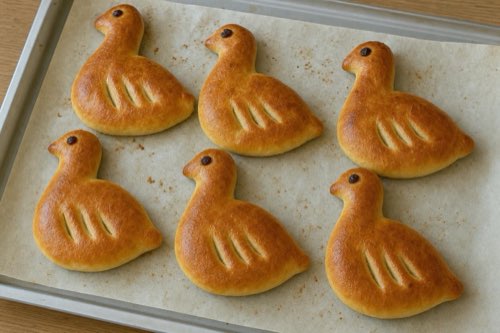
Soft St. Martin’s goose-shaped yeast rolls, even without a cookie cutter
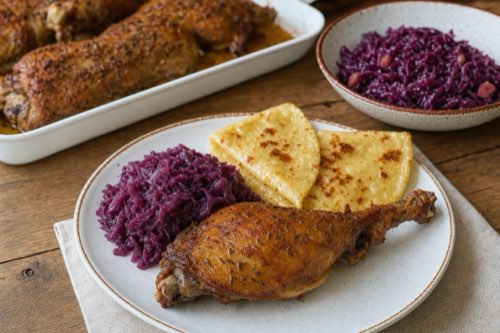
Martinská hus: roast goose legs with red cabbage and lokše